Healthy & Happy
Nutrition & Advice
Expert articles and tips to guide you through a healthy pregnancy journey.
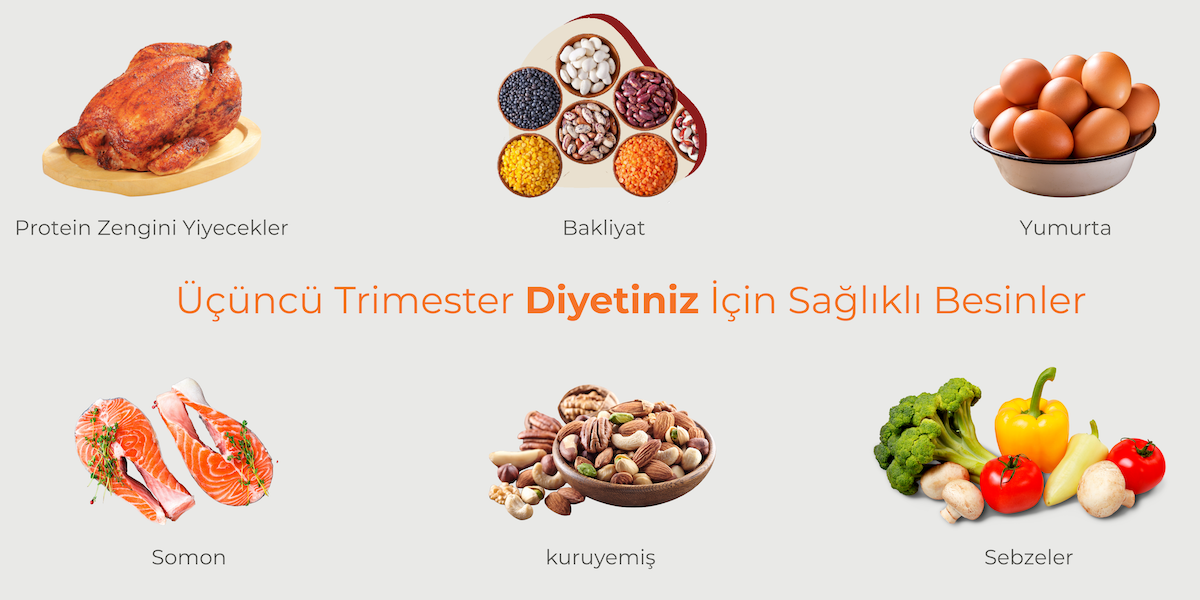
3 Trimester– What to Eat & What to Avoid
Congratulations on reaching the third trimester of your pregnancy! This is an exciting milestone as you near the end of your journey and prepare to welcome your little one into the world. While you may be tempted to indulge in your favorite foods to celebrate, it’s important to prioritize a healthy third trimester diet for both your and your baby’s well-being. Nutritious foods will support proper growth and development, setting the stage for a healthy delivery and a strong start for your baby’s life ahead. Remember to listen to your body’s needs and consult with your healthcare provider for personalized guidance. Enjoy this special time and take care of yourself!
Foods to Eat During Your Third Trimester
The growth and development of your baby will depend on what you eat, and that’s the reason why the 7 to 9 months pregnancy diet is crucial. You will now need about 200 additional calories every day, and an adequate quantity of vitamins, fibre and minerals. Here are the foods for third trimester that you should include in your pregnancy diet.
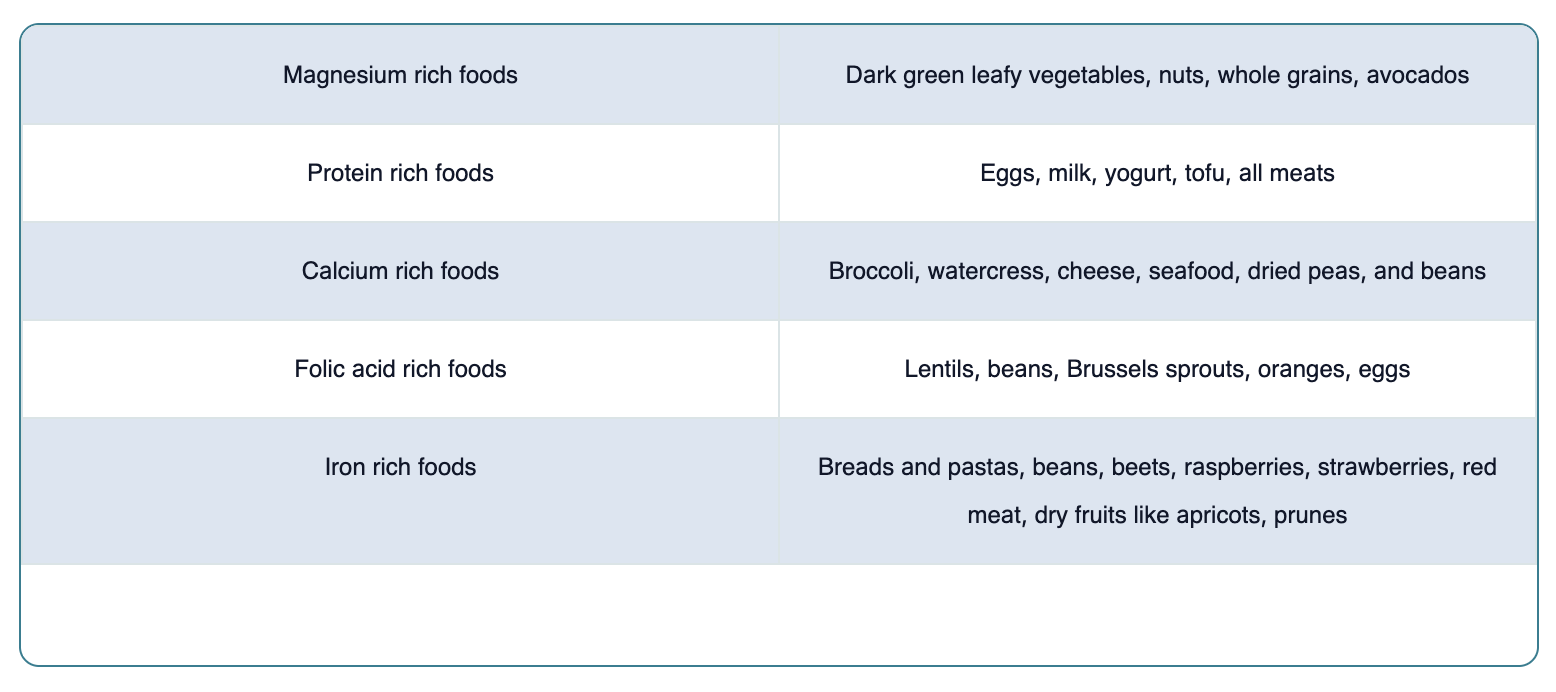
1. Foods Rich in Iron
2. Foods Rich in Protein
3. Foods Rich in DHA
4. Foods Rich in Folic Acid
5. Foods Rich in Calcium
6. Foods Rich in Magnesium
7. Foods Rich in Vitamin C, B6 and B12
8. Fruits and Vegetables
9. Nuts
What to Avoid in the Third Trimester of Pregnancy?
Avoid including these foods in your third-trimester pregnancy diet.
1- Salt: Avoid eating salty foods such as potato chips and fries.
2- Raw Vegetables: Raw veggies or uncooked veggies can lead to a gas problem, hence you must avoid eating raw veggies. Before eating any veggie, make sure you cook it well.
3- Spicy Foods: Spicy foods can cause indigestion and heartburn during pregnancy, hence they are best avoided in the last trimester.
30
14
0
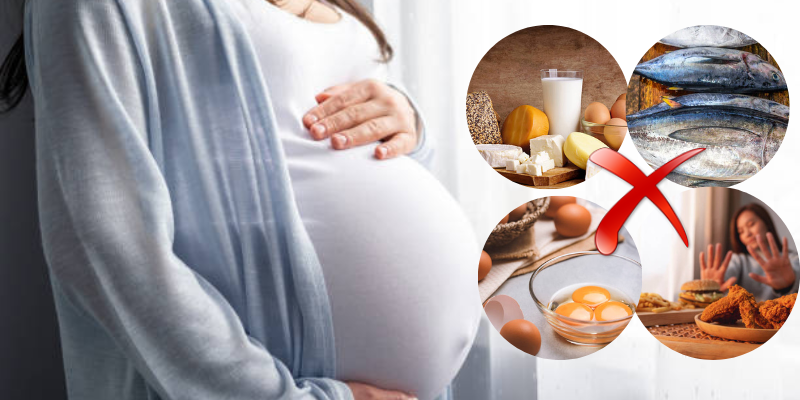
Foods to avoid during Pregnancy
To avoid complications during pregnancy, Costa recommends avoiding certain foods and substances. The list includes:
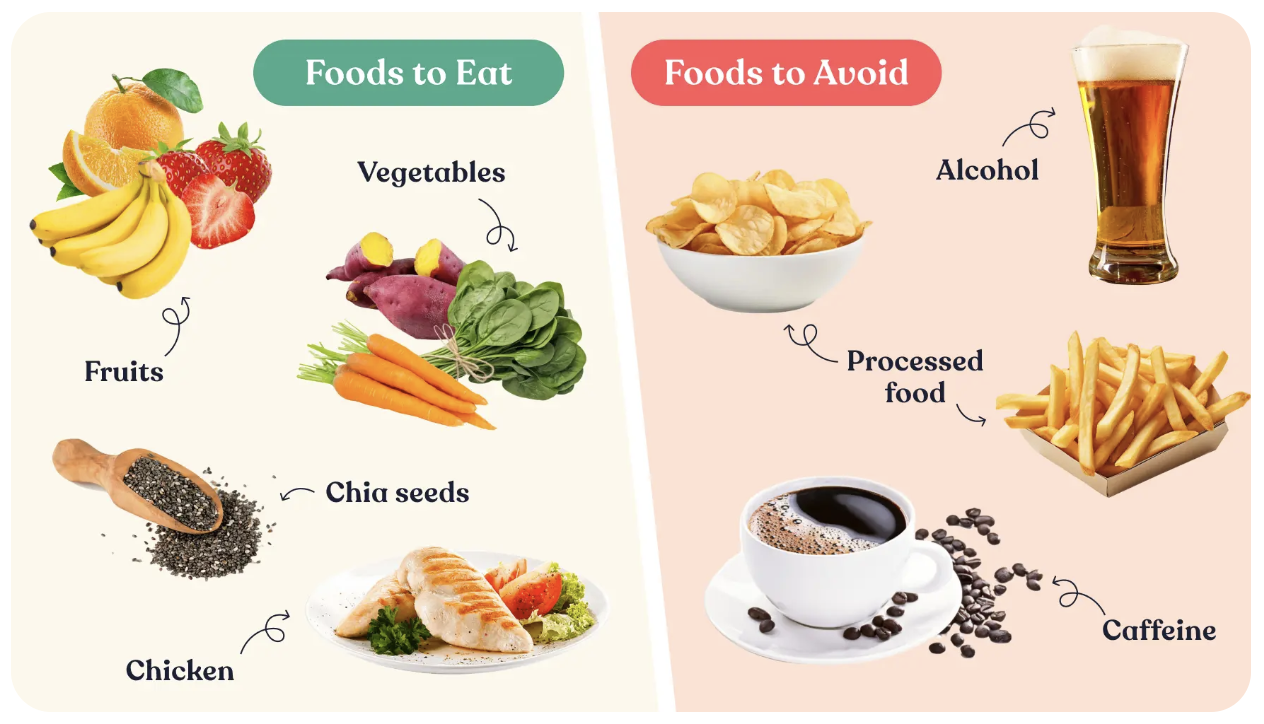
Processed foods. It’s no secret that processed foods are high in sodium, added sugars, and saturated fats. They are also low in minerals, vitamins, and dietary fiber. During pregnancy, these foods can increase the risk of pregnancy-related issues like GDM or gestational diabetes mellitus and can cause inflammation.
Foods with a high mercury content, namely, certain seafood. Tuna (including canned tuna), tilefish, swordfish, king mackerel, and marlin all contain mercury, which can affect your developing child’s nervous system and brain.
Raw and undercooked animal products are to be avoided for the sake of your health and the health of your child. Eating undercooked or uncooked eggs, poultry, fish, meat, and shellfish can cause illnesses such as toxoplasmosis, listeriosis, and salmonellosis.
Mold-ripened soft cheeses can contain listeria bacteria which can penetrate the placenta and cause health complications in babies or pregnancy loss. Therefore, it’s best to avoid cheese such as camembert, brie, and blue cheese.
It’s also best not to eat raw sprouts because they have been known to contain bacteria such as E. coli and salmonella. Only eat mung beans, radish, alfalfa, and even broccoli sprouts when thoroughly cooked.
Alcohol can pass through the umbilical cord during pregnancy and lead to fetal alcohol spectrum disorders. So, all forms of alcohol must be avoided when you’re pregnant.
And last, but not the least, caffeine. As hard as it is, most women know that it’s not recommended to drink caffeine when pregnant because even as little as 200 milligrams can impact fetal development.
It’s not just coffee that you need to avoid, but also energy drinks and bars, tea, chocolates, and certain flu, cold and pain medication. Consult your doctor on medications that are safe to take while pregnant.
While this list is meant to give you direction, everyone’s tolerance levels and dietary requirements are different. Consult your doctor or work with a registered dietician to create a personalized pregnancy diet plan that is safe for you.
24
2
0

What Foods to Eat During Pregnancy for an Intelligent Baby
14 Best Foods to Eat During Pregnancy to Make Baby Smart & Intelligent
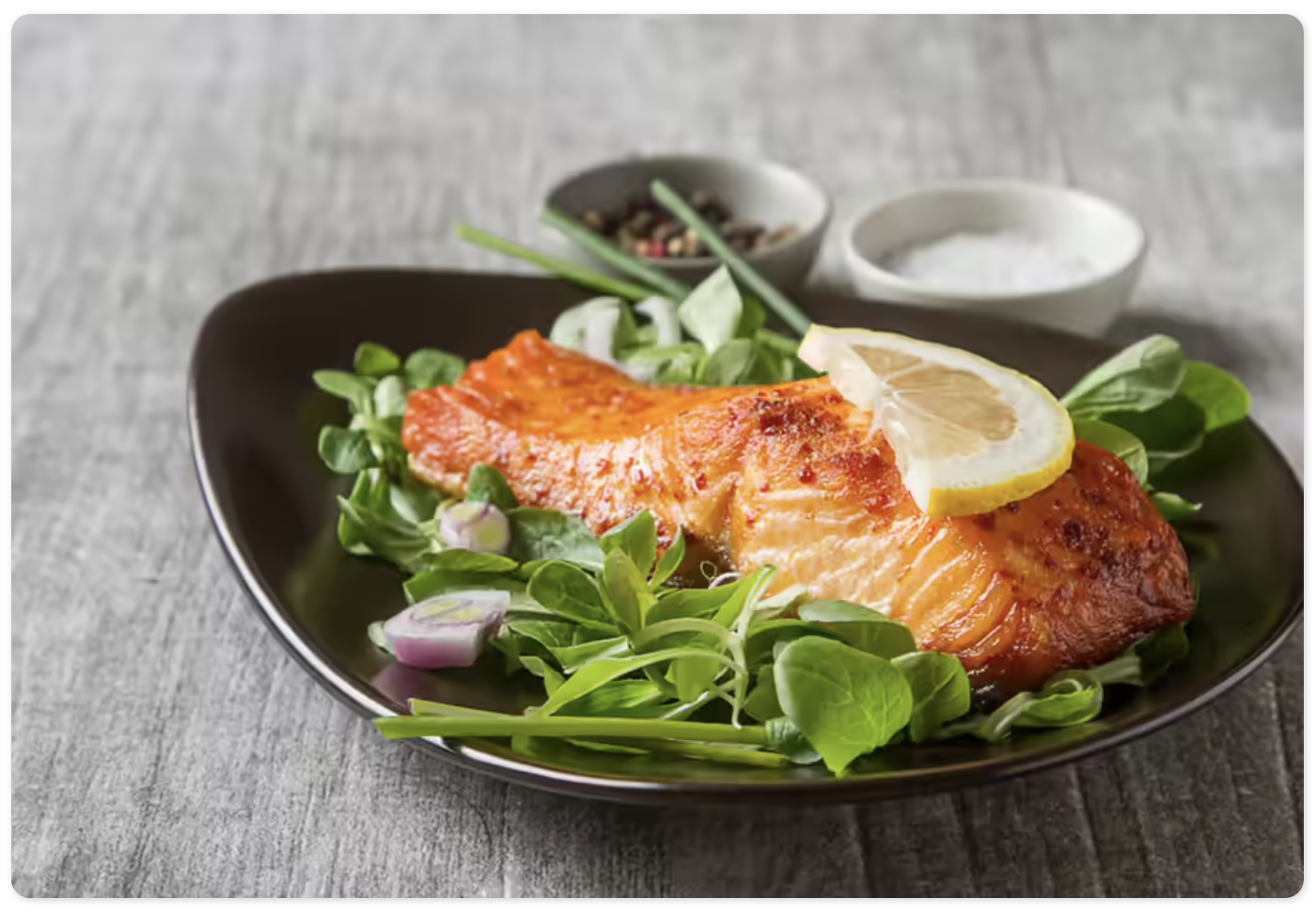
1. Fatty Fish
Omega-3 fatty acids are integral to your baby’s brain development. Pregnant women must eat salmon to give birth to intelligent children.
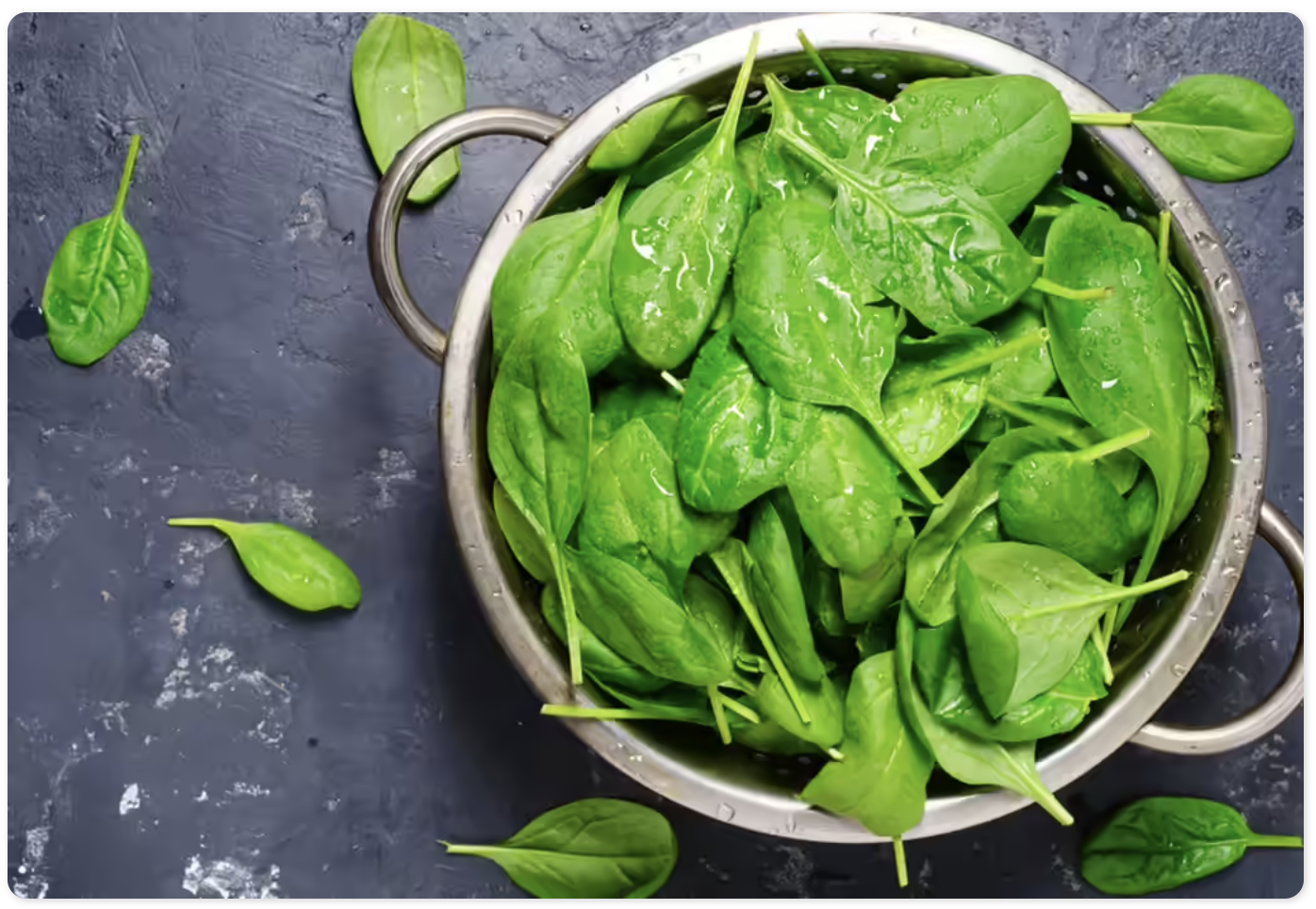
2. Green Leafy Vegetables
From spinach and lentils to leafy greens which are rich in folic acid, eating green leafy vegetables and certain pulses is important as it helps keep your baby’s brain protected from tissue damage.
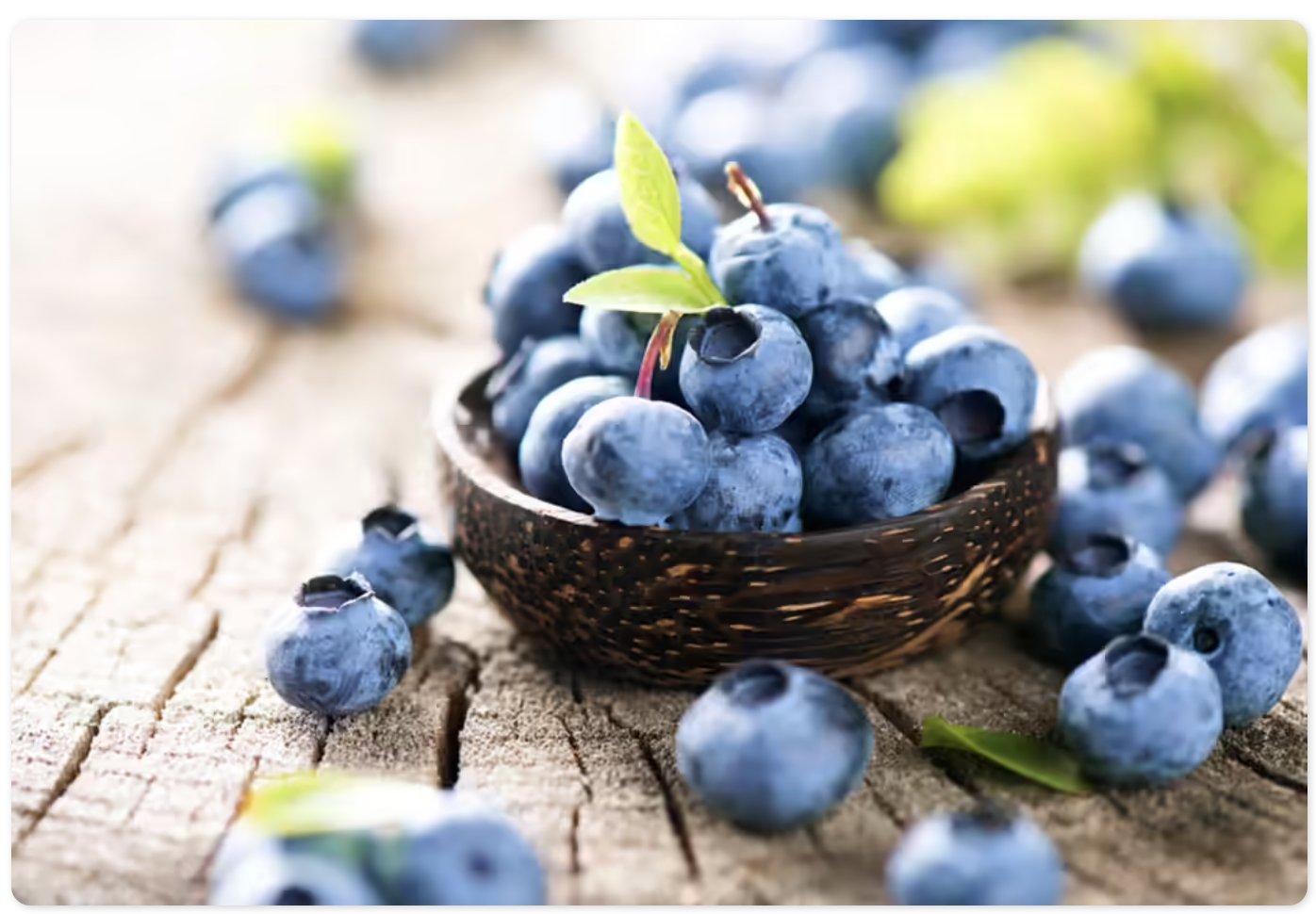
3. Blueberries
Blueberries are antioxidant-rich foods which will aid your baby’s cognitive development. Other alternatives for blueberries are strawberries, raspberries, blackberries, tomatoes, beans, and artichokes.
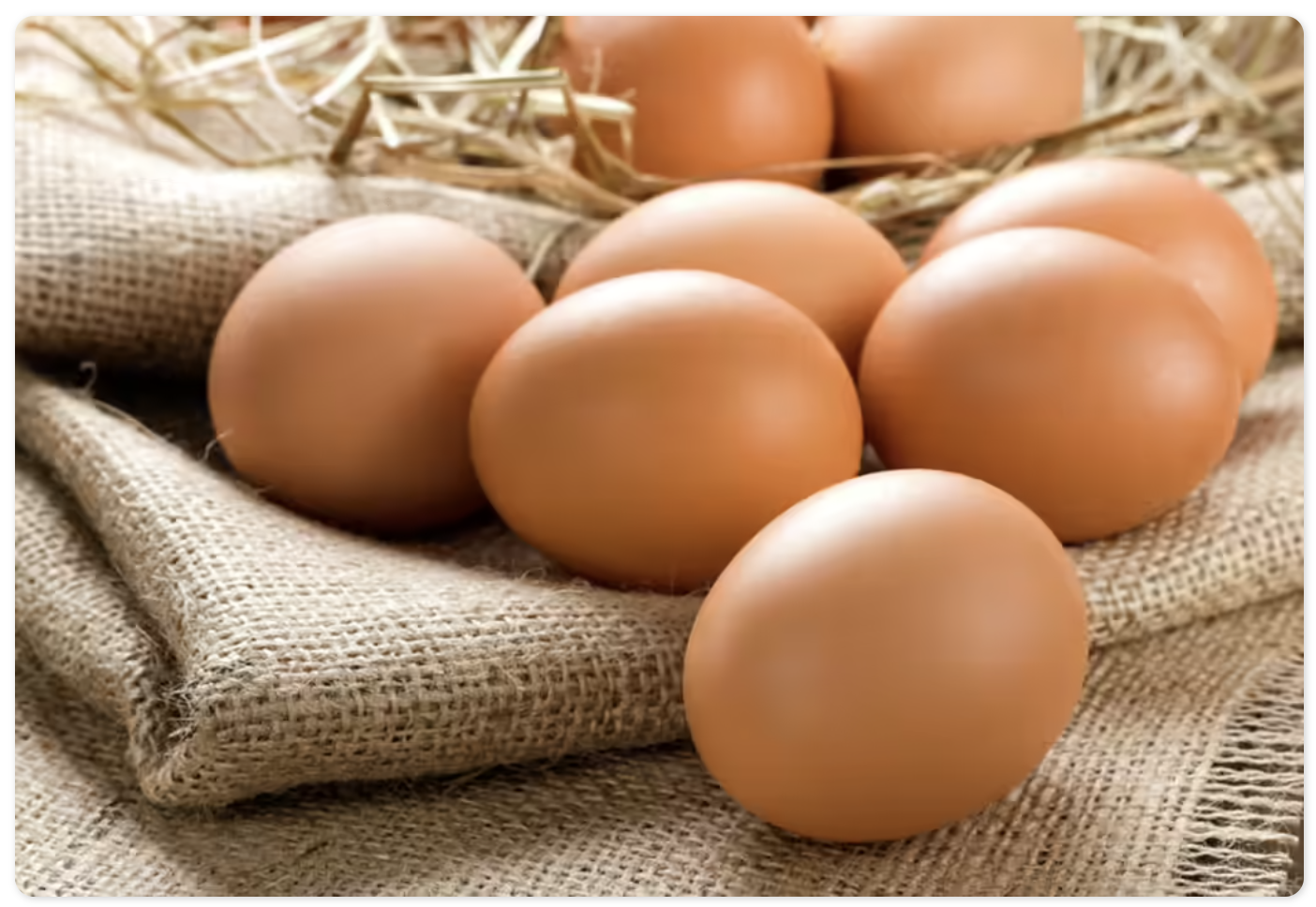
4. Eggs
Eggs are high in protein and low in calories, especially boiled eggs. They contain an amino acid called choline which has been proven to aid brain development and enhance memory too.
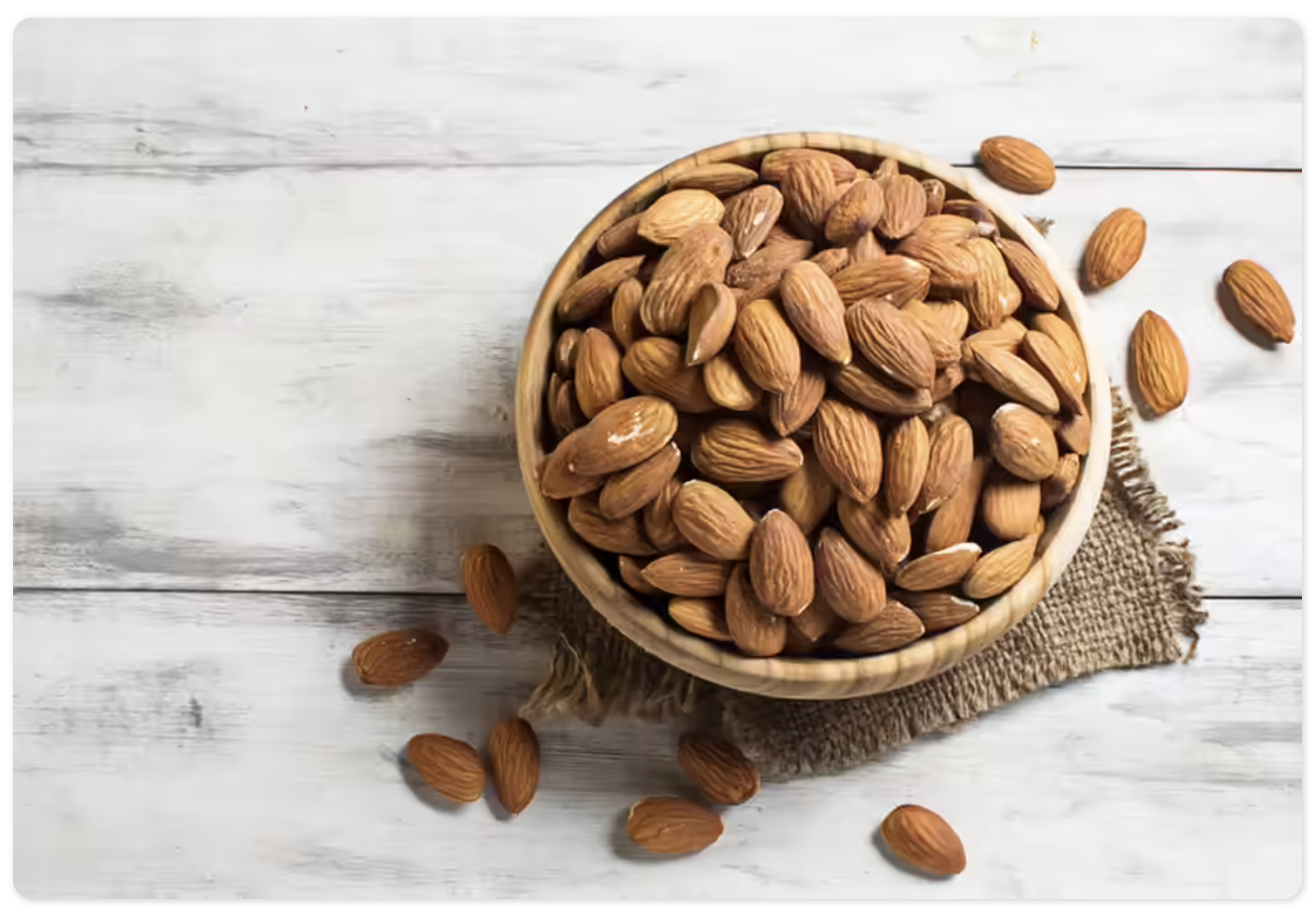
5. Almonds
Almonds are loaded with healthy fats, magnesium, Vitamin E, and protein. Brain-boosting omega-3 fatty acids are found abundantly in almonds.
6. Greek Yogurt
Protein-rich foods are necessary for forming healthy nerve cells in the mother’s womb for the cognitive development of the baby.

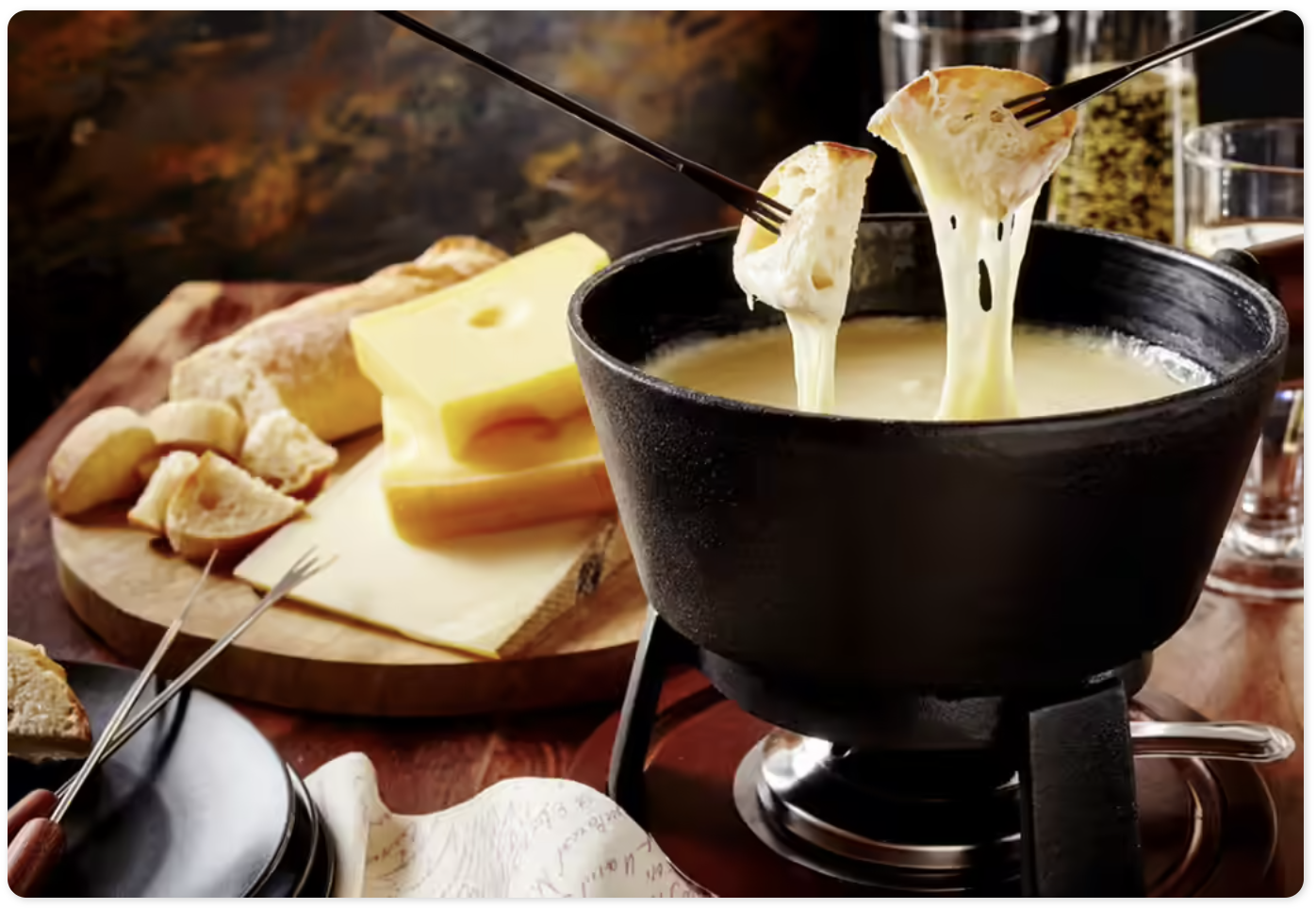
7. Cheese
Vitamin D is very important for the cognitive development of babies. Pregnant mothers with low levels of Vitamin D in their bodies can give birth to babies with low IQ levels.
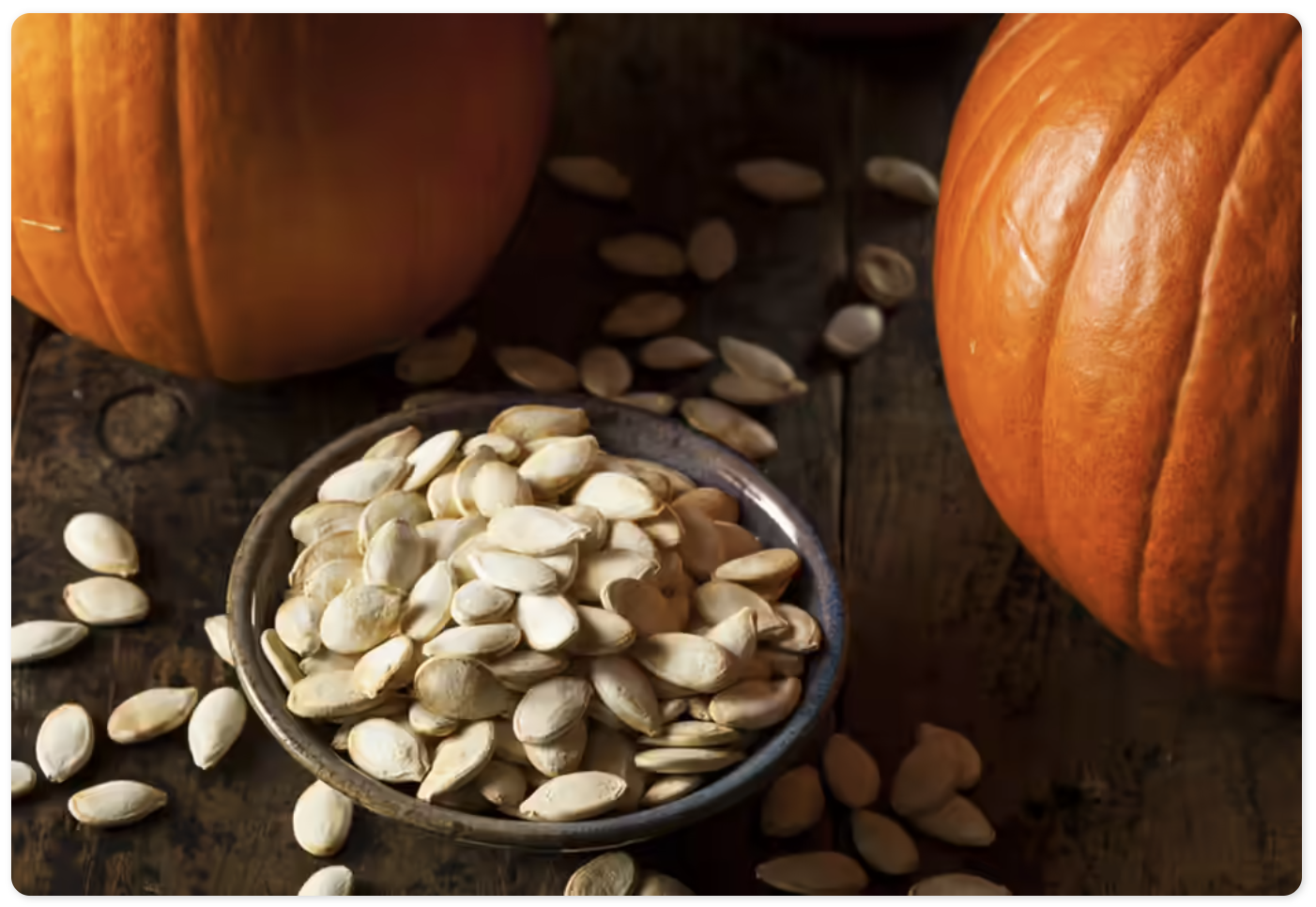
8. Pumpkin Seeds
Pumpkin seeds are loaded with zinc. Zinc is a mineral that’s known to promote proper brain structure and aid in the cognitive processing of information.
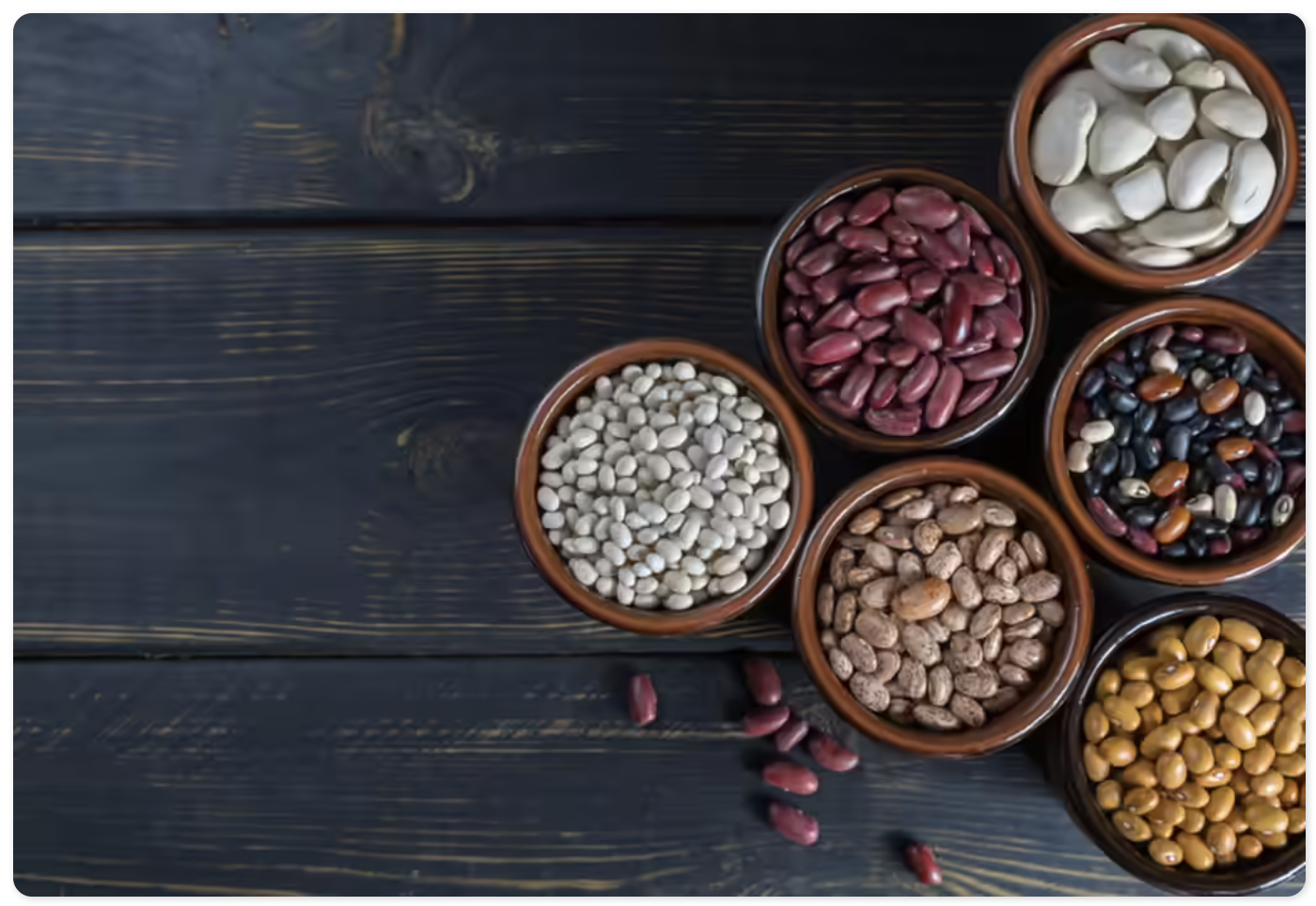
9. Beans
Iron is needed by the body for transporting oxygen to nerve cells in the baby’s brain. Beans contain a good amount of iron, which is why pregnant mothers are recommended to increase their intake of this food item in their diets.
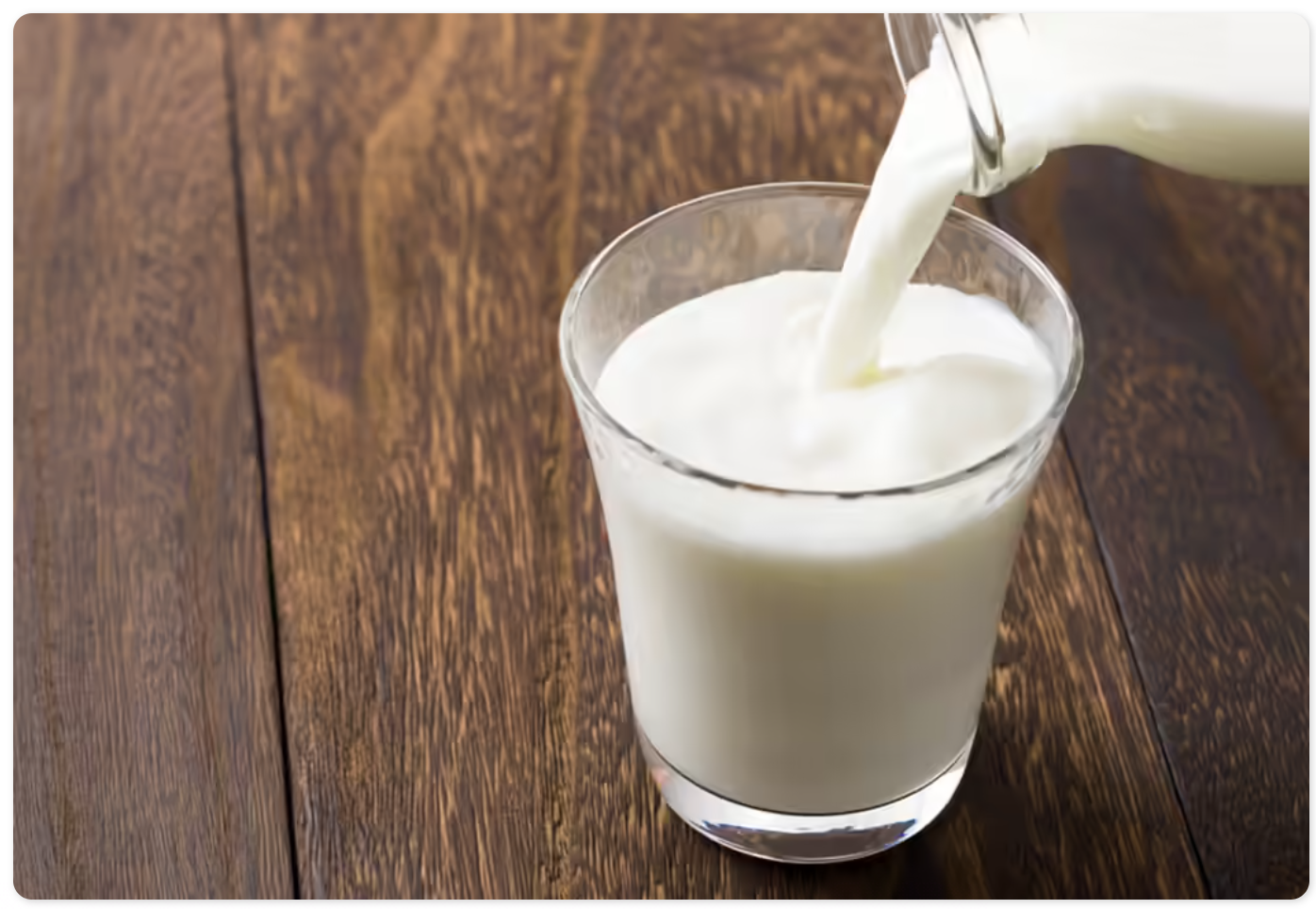
10. Milk
A lack of iron content in pregnant mothers’ bodies leads to mental growth retardation and majorly affects the baby’s overall cognitive development.
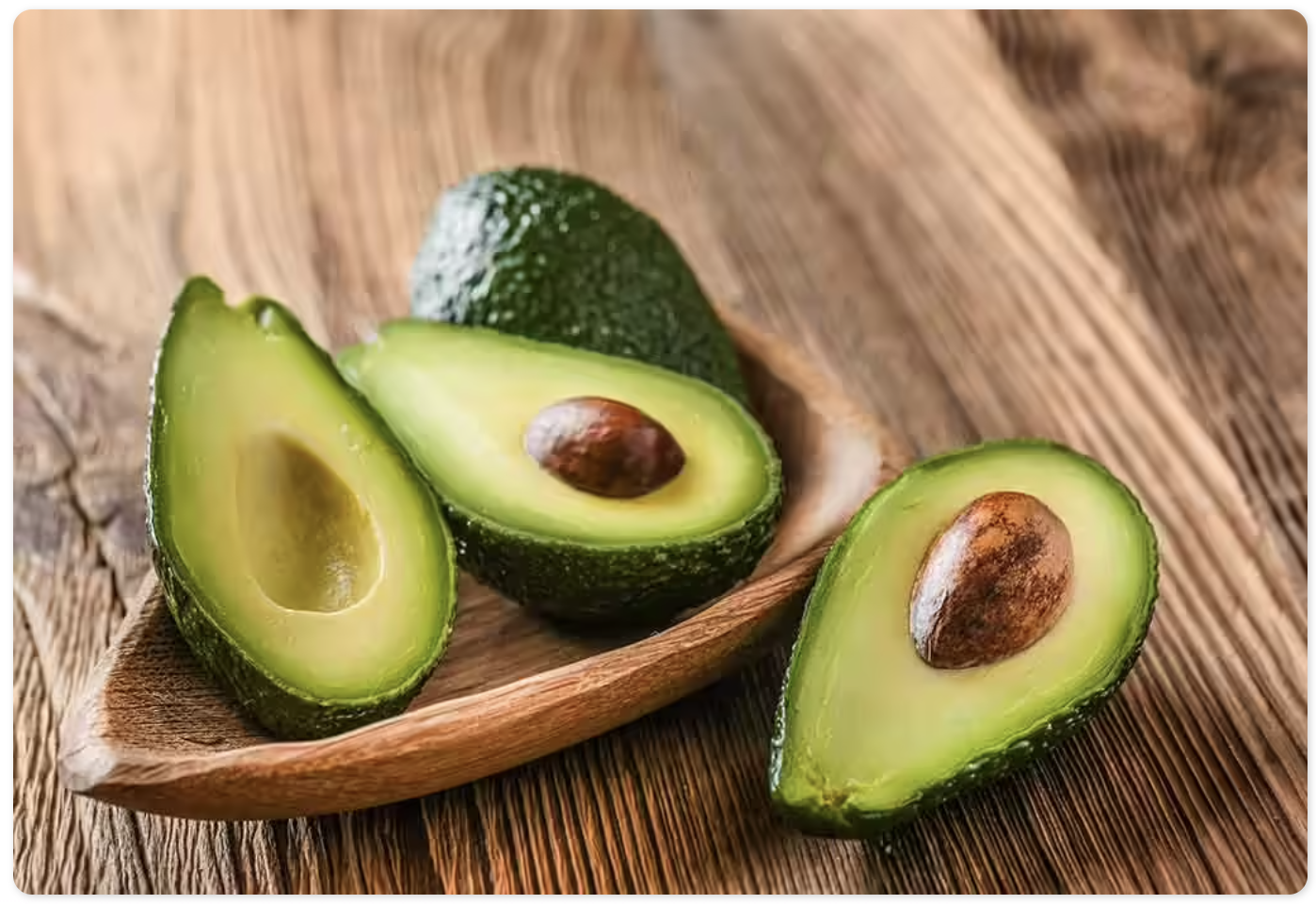
11. Avocados
Avocados are rich in monounsaturated fats, which contribute to healthy blood flow, crucial for the developing baby’s brain. They also contain folate, essential for preventing neural tube defects.
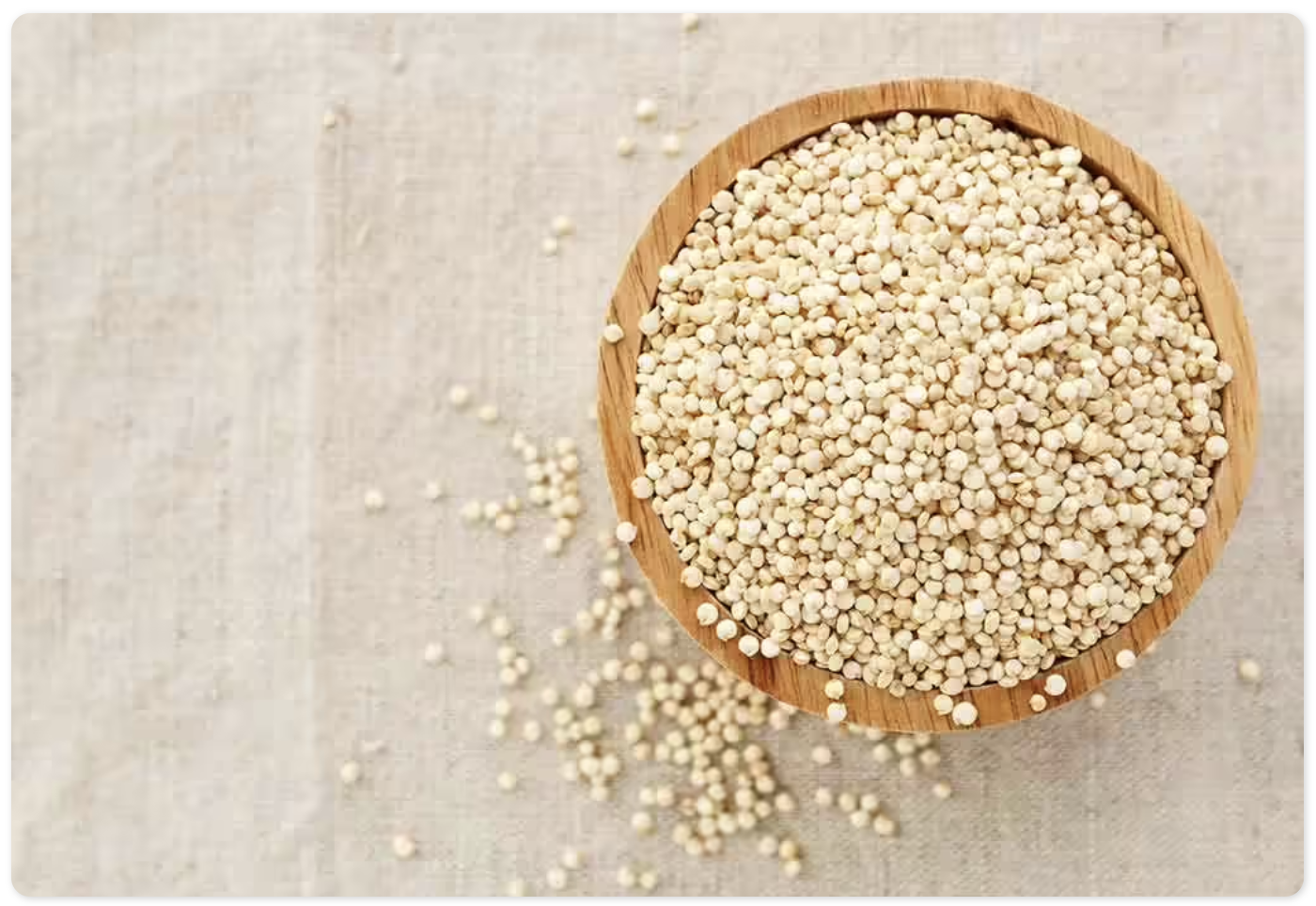
12. Quinoa
Quinoa is a nutrient-packed whole grain that provides a sustained release of energy. It contains iron, fiber, and protein, promoting optimal brain function and development in the growing fetus.
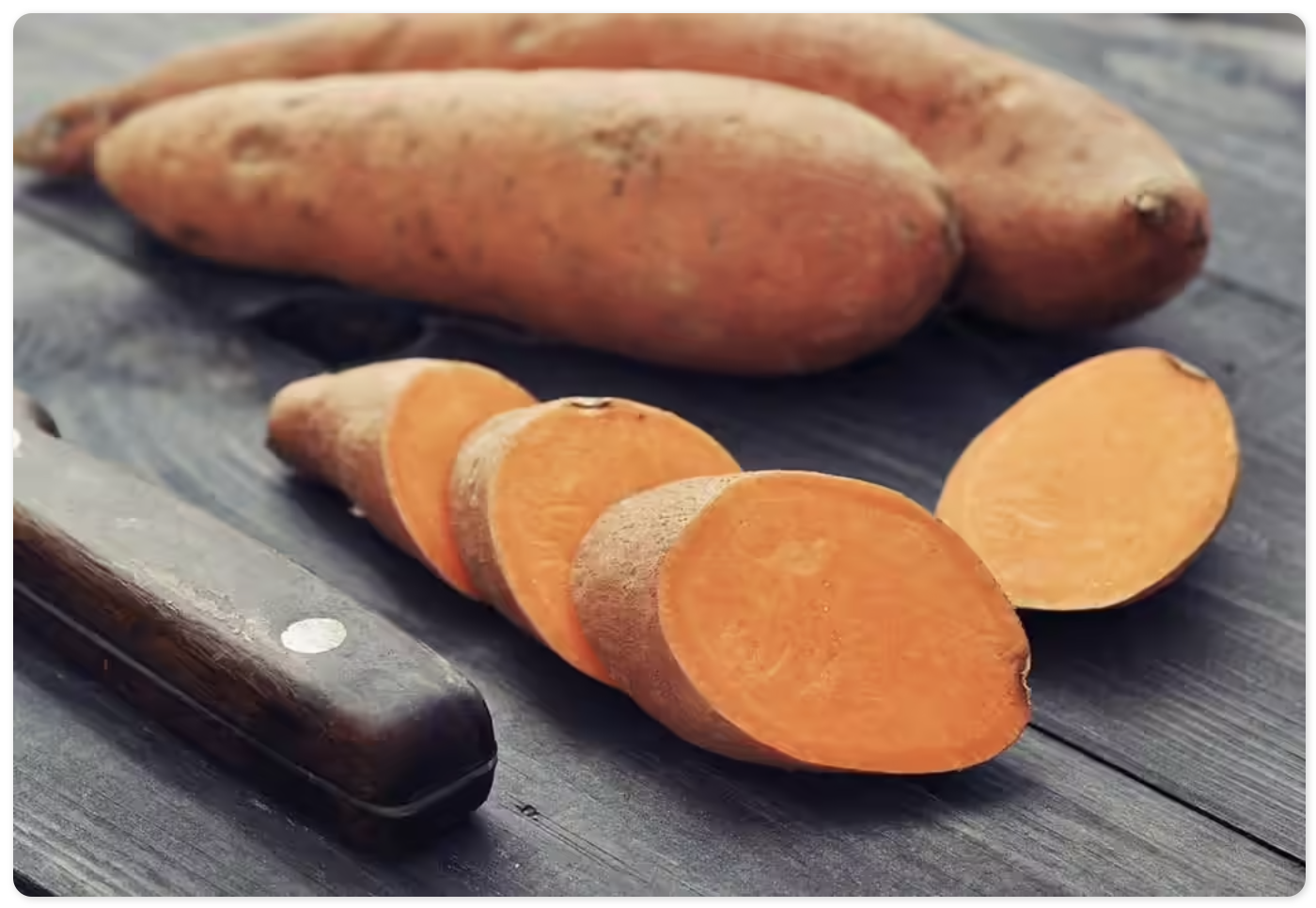
13. Sweet Potatoes
Packed with beta-carotene, sweet potatoes support the development of a robust immune system in both the mother and the baby.
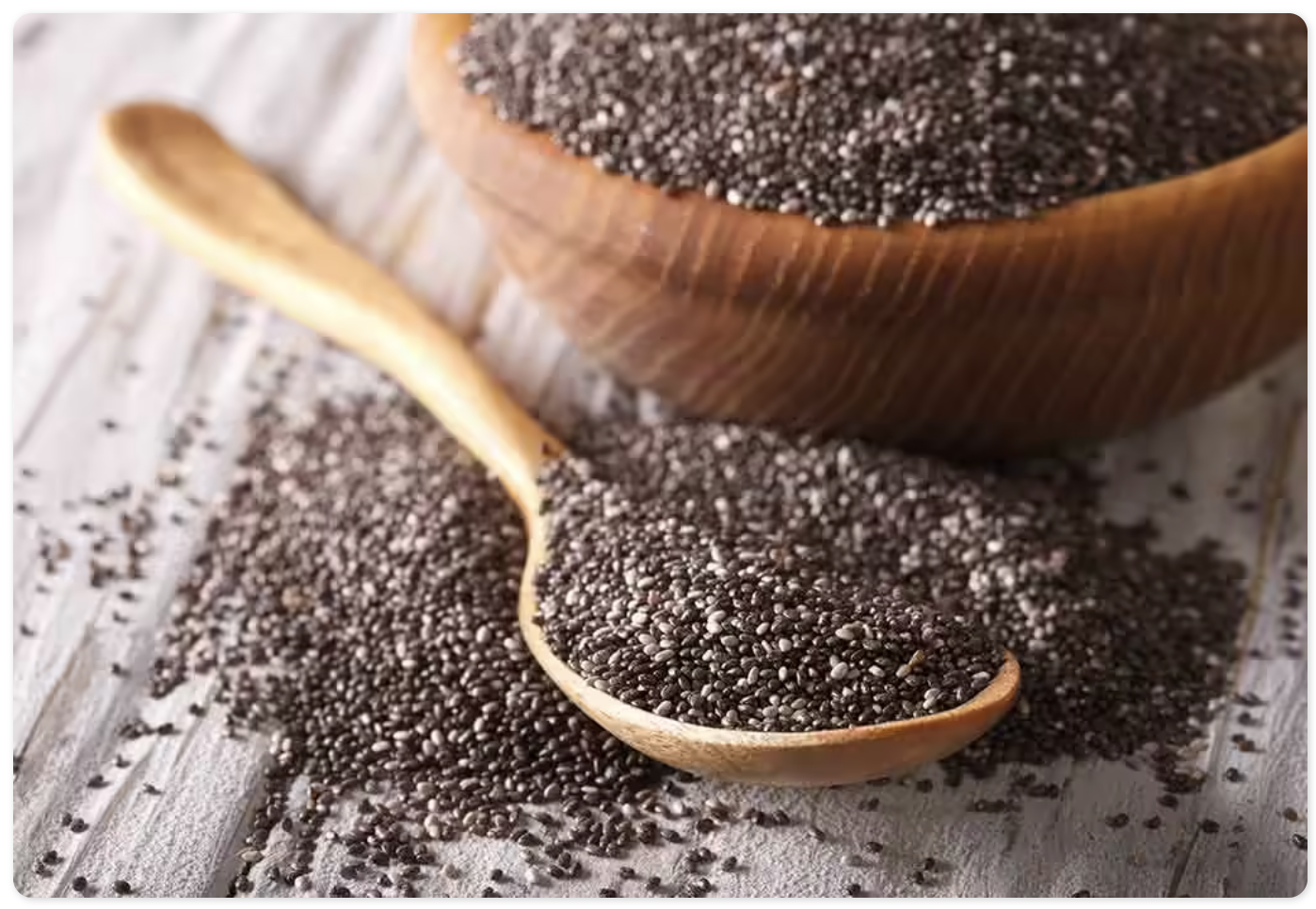
14. Chia Seeds
Chia seeds are a powerhouse of omega-3 fatty acids, fiber, and antioxidants. These tiny seeds contribute to fetal brain development and offer a healthy dose of energy for the expecting mother.
19
0
0
Best Vegetables to Eat and vegetables should avoid During Pregnancy
One of the first things a mother-to-be starts watching as soon as she sees the two lines on the pregnancy test is her diet. The correct intake of vegetables during pregnancy plays a humungous role in keeping the pregnancy journey healthy and secure. The quest for required nutrition leads to questions such as, ‘Are vegetables good for pregnancy?’ What vegetables should I eat?’ Questions like these are common. That is why here we are with an amazing on the best vegetables to eat during pregnancy.
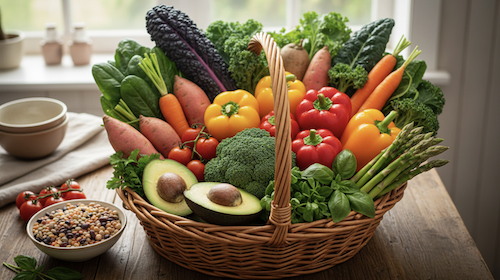
Importance of Vegetables in Pregnancy
During pregnancy, it is important to maintain a healthy diet. For this, you should choose the right kind of food and eat it in the right quantity and at the right time. Anything unhealthy can cause harm and lead to complications for both the mother and baby. A healthy diet that is rich in vegetables can help avoid complications such as gestational diabetes and nutrition deficiency, as they contain vitamins such as beta carotene, Vitamin C and folic acid, apart from the much-needed fibre. Eating vegetables also helps the baby develop a healthy birth weight, reduces the risk of anaemia, controls blood pressure, and leads to healthy weight gain in the mother.
Monitoring food habits during pregnancy is essential because it will help you lose the weight that you gain during pregnancy.
10 Vegetables to Eat During Pregnancy
There are many vegetables that ensure your body continues to receive a perennial supply of nutrients. Here are the top 10 vegetables good for pregnancy that should not forget:
1. Sweet Potatoes
These are excellent sources of Vitamins A, B, and C.
2. Beetroot
Beetroots are high in vitamins and fibre. They also help strengthen the immune system.
3. Bell peppers
They are high in vitamins and dietary fibre.
4. Broccoli
High in Vitamin C, K, and folate, they also prove beneficial for easing constipation.
5. Green peas
They are rich in Vitamins C and K, as well as fibre.
6. Dark leafy greens
High in fibre, carotenoids, and folate.
7. Parsley
They are high in protein, Vitamin E, and riboflavin.
8. Tomatoes
Rich in Vitamins C and K and biotin.
9. Cucumber
Rich source of water and fibre.
10. Asparagus
Excellent source of fibre, folate and Vitamins A, C, E and K.
What Vegetables You Should Avoid When Pregnant?
Among a whole lot of vegetables, there are some as well that could jeopardize the health of a mother and her baby during pregnancy.
Here is the list of vegetables to avoid during pregnancy.
-Raw or undercooked sprouts, including mung beans, clover, radish, andalfalfa, could contain bacteria, such as Salmonella or E. coli.
-Salads bar items
-Prepackaged salad mixes
-Raw radishes
-Unwashed vegetables
Now you know which vegetables are safe for consumption during pregnancy, go ahead and add them to your pregnancy diet. However, do check with your doctor if you feel uncomfortable after eating a particular veggie twice or thrice. Your doctor or nutritionist will be able to guide you the best!
13
1
0
Early Pregnancy Diet
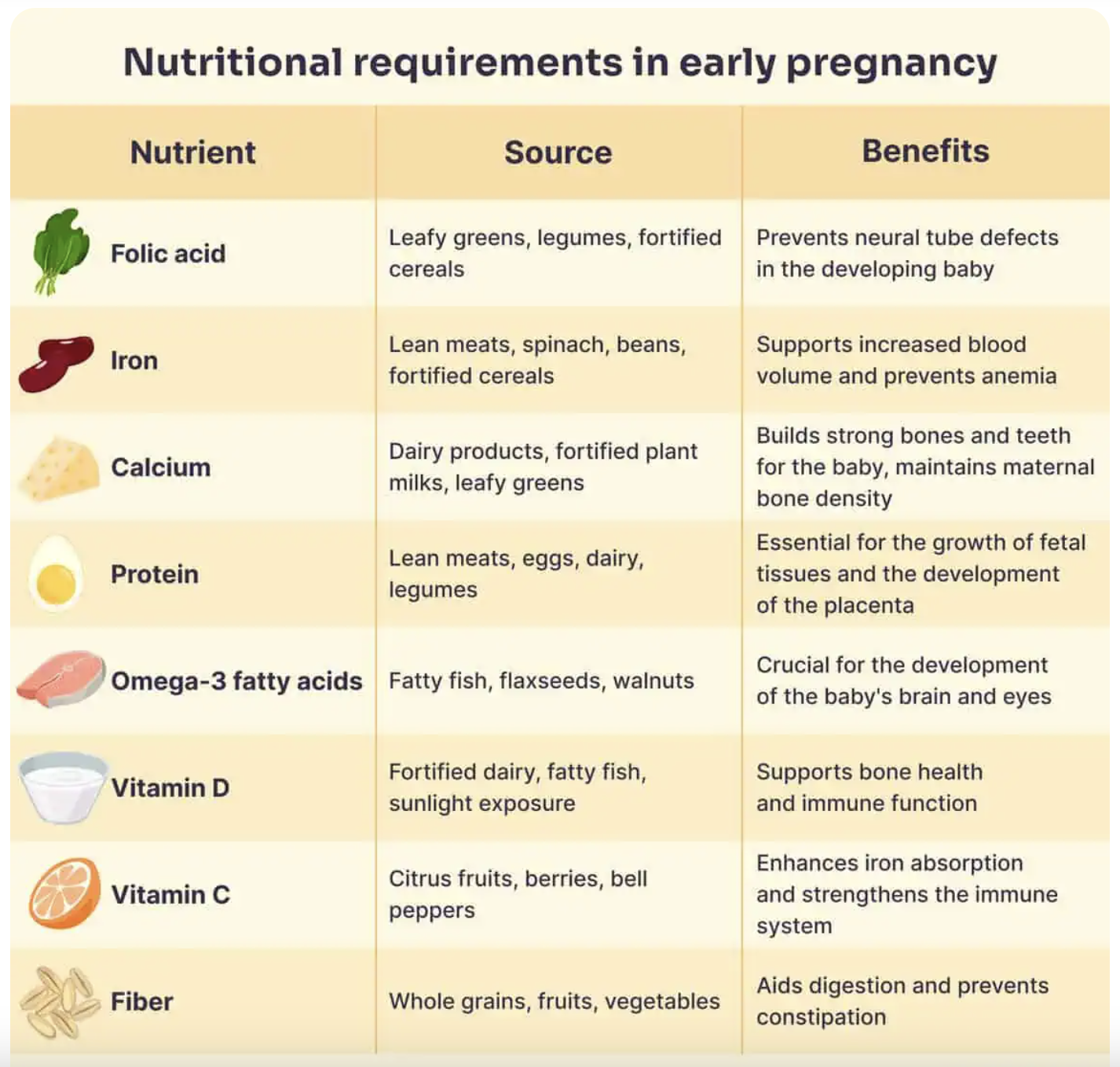
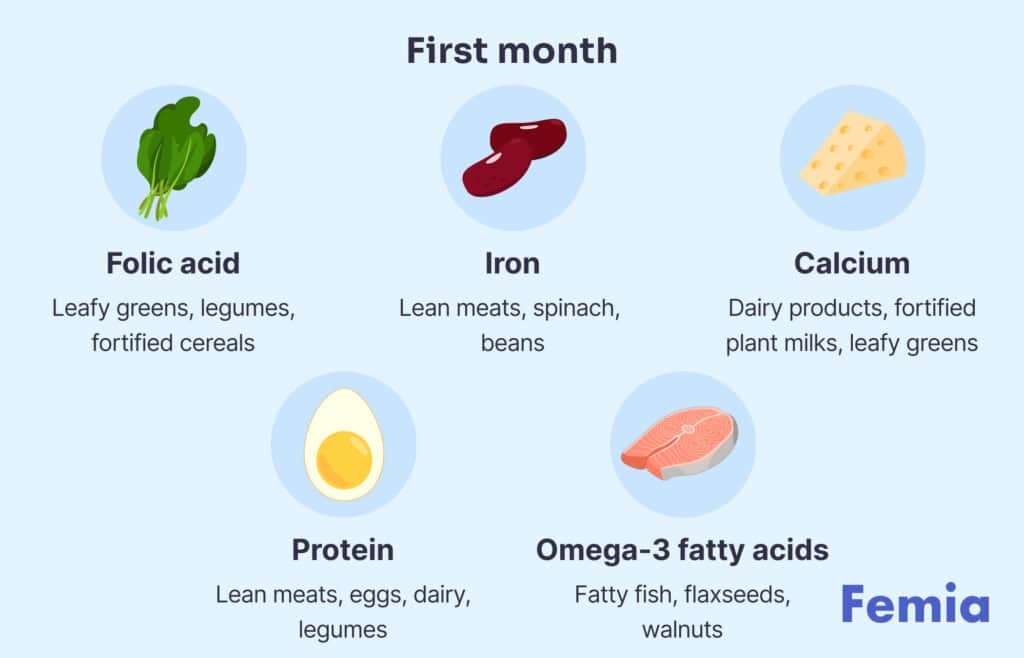
A nutrition plan for the first three months of pregnancy is crucial for development. In the first month, your baby is the size of a grain of rice. During this period, your body's need for certain nutrients increases rapidly. By consuming the nutrients you need through a balanced diet, you support both your baby's development and your own health. During this period, organs that support your baby's growth, such as the placenta, also begin to develop.
Folate is extremely important in the first month. Folate is a B vitamin that helps prevent birth defects and is abundant in foods like spinach, whole-grain bread, beans, and fruits. If you are on a gluten-free diet, you can take prenatal vitamins to supplement your folate needs.
Eating 200-250 grams of lean meat daily is ideal for getting the iron and protein you need. The iron in meat is in a form your body can quickly absorb, supporting the formation of red blood cells that contribute to your baby's development. Avocados, sweet potatoes, and chicken, sources of vitamin B6, can be a lifesaver for those suffering from morning sickness. Vitamin B6 can relieve nausea. Therefore, including these foods in your meals can be both nutritious and comforting.
14
1
0
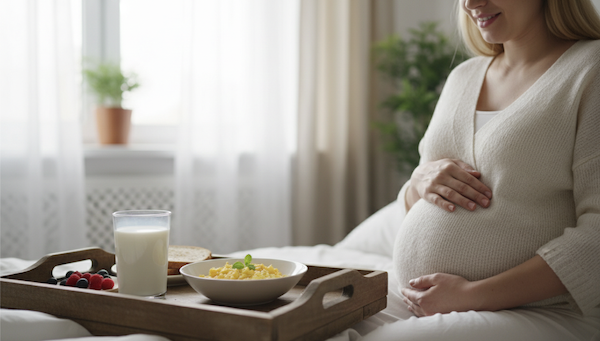
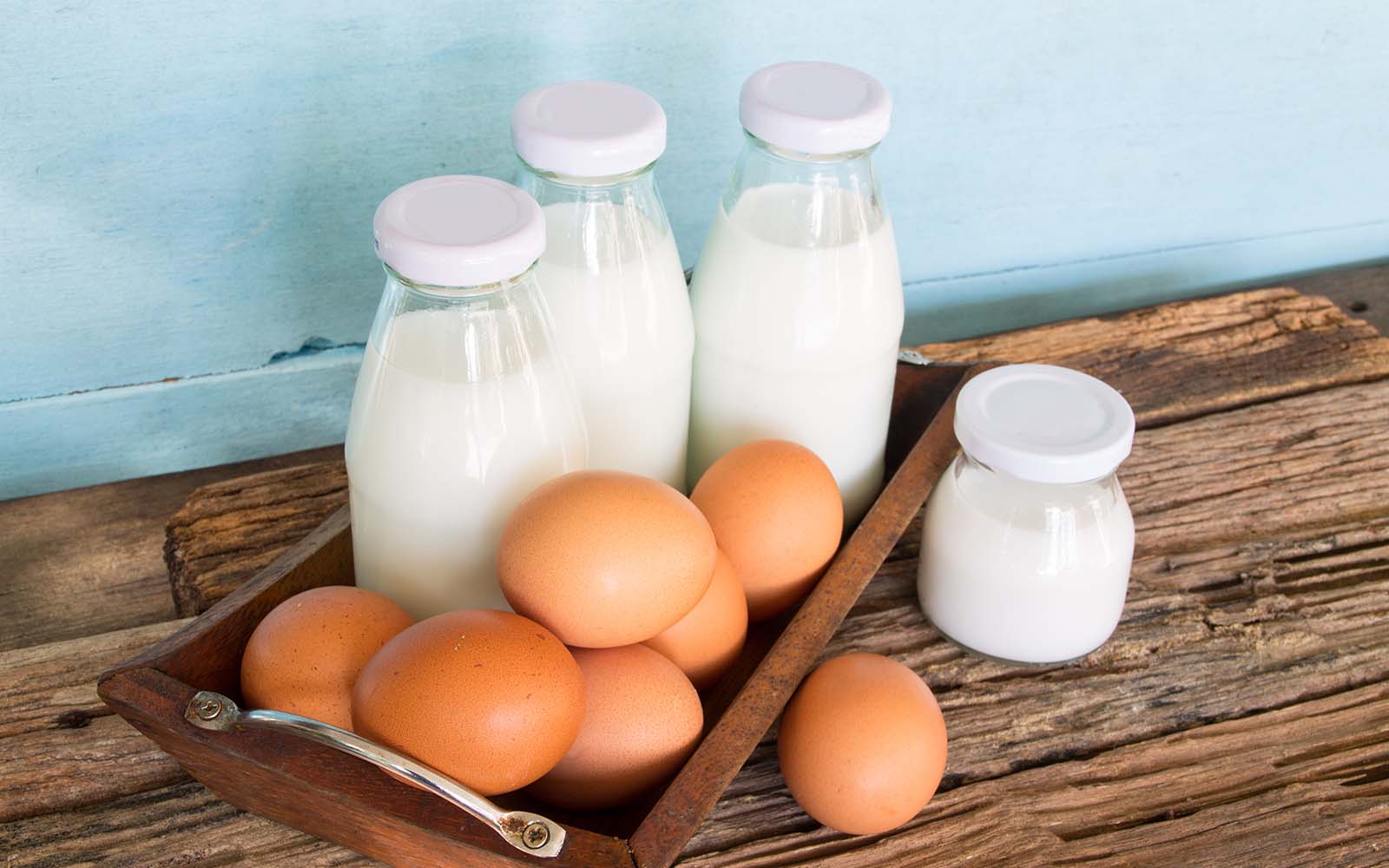
Be Careful with Milk and Egg Consumption!
Consuming milk and eggs during pregnancy is crucial for both protein and calcium. However, it's important to ensure that foods are well-cooked and pasteurized.
✅ Safe options:
Pasteurized milk, yogurt (pasteurized), scrambled or fried eggs, menemen (Turkish menemen), quiche (quiche), as well as industrially prepared mayonnaise and aioli, are all safe to consume.
🚫 Things to Avoid:
Unpasteurized milk and dairy products, soft ice cream made in ice cream machines, raw eggs, homemade mayonnaise, aioli, or Caesar dressing, homemade chocolate mousse, raw cake batter, and pancake batter carry a potential bacterial risk and are therefore not recommended.
8
0
0
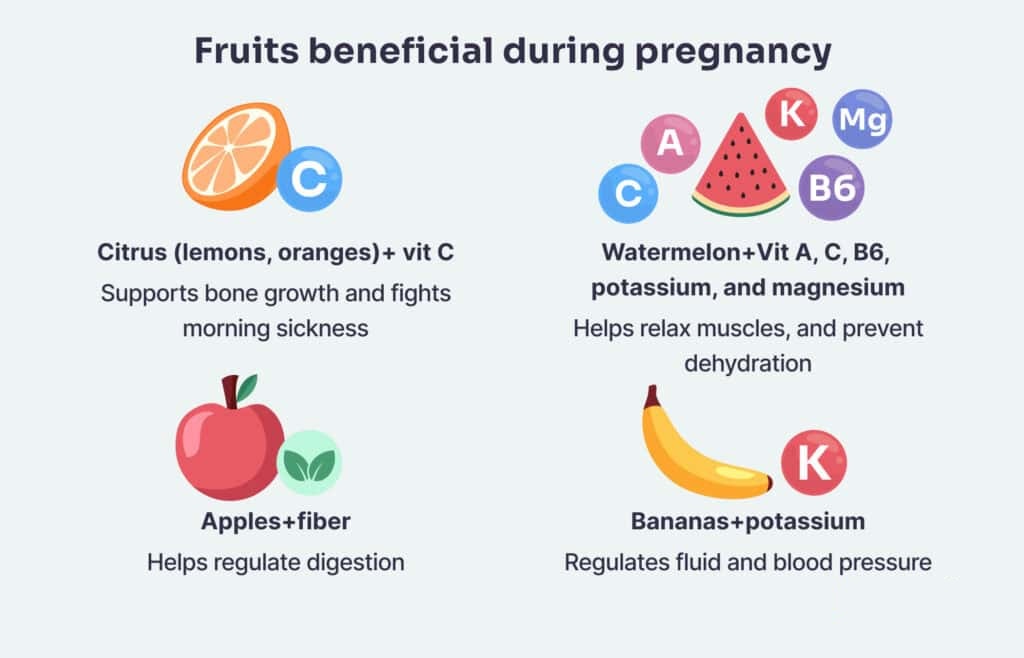
What fruits are beneficial during pregnancy and why?
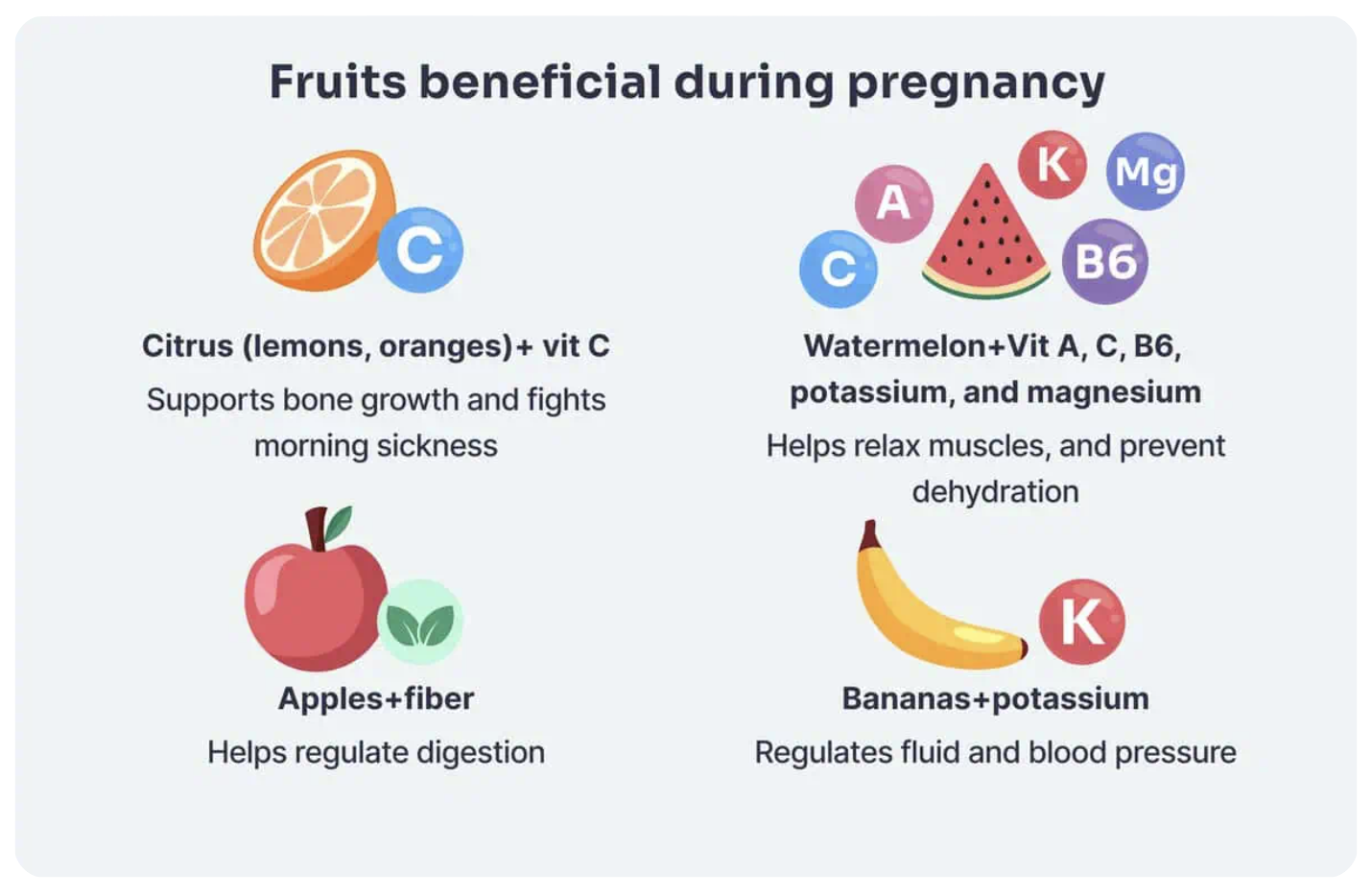
Infographic showing beneficial fruits during pregnancy, highlighting citrus, watermelon, apples, and bananas with their health benefits.
Expecting mothers may consider adding some fruits to their diet as a snack, since some well-known fruits are rich in essential nutrients and can help support the baby’s and mother’s health during the entire pregnancy journey. Here is a pregnancy fruit chart for the first trimester:
Apples: high in fiber, which helps regulate a woman’s digestion and prevent hemorrhoids.
Citrus: opt for lemons and oranges, since they are high in vitamin C, which is responsible for helping your baby’s bones grow properly. Citrus is also effective in fighting morning sickness during pregnancy.
Bananas: they contain a lot of potassium, which helps regulate the fluid and blood pressure in a woman’s body.
Watermelon: as a superfood, watermelon is rich in vitamins A, C, B6, potassium, and magnesium. Watermelon helps relax muscles, fight morning sickness, and prevent dehydration.
14
1
0
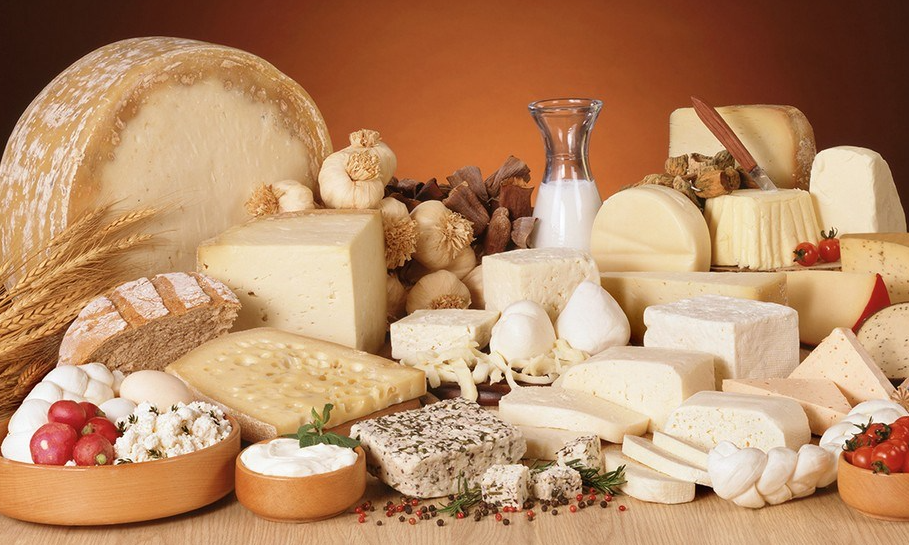
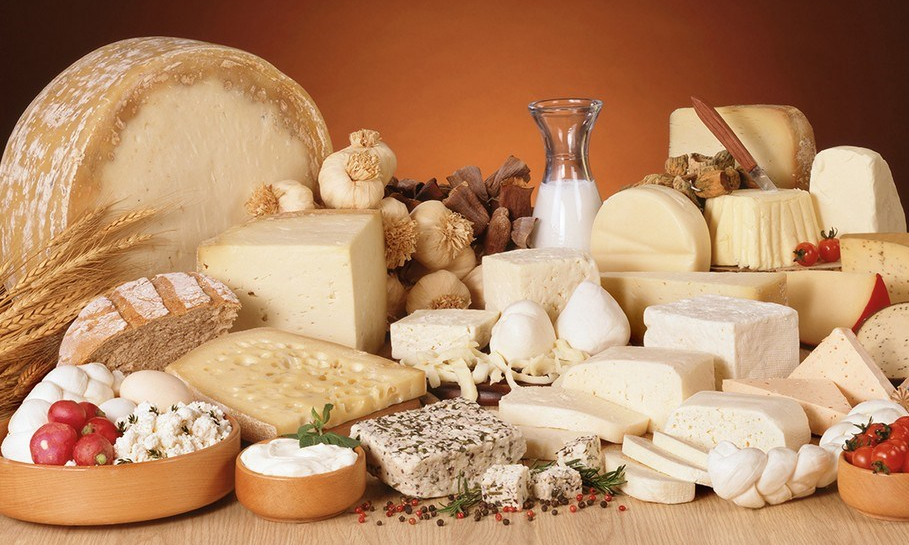
Which Cheeses Are Safe in Pregnancy?
During pregnancy, it’s important to choose cheeses that are made from pasteurised milk to avoid harmful bacteria.
✅ Safe choices include hard and pasteurised cheeses like cheddar, parmesan, mozzarella, halloumi, paneer, and cream cheese. These are rich in calcium and safe for you and your baby.
🚫 Avoid soft or unpasteurised cheeses such as brie, camembert, feta, ricotta, blue cheese, and imported unpasteurised varieties, as they may contain bacteria that can be unsafe during pregnancy.
9
4
0
Meat and Poultry During Pregnancy: Safe Choices and What to Avoid
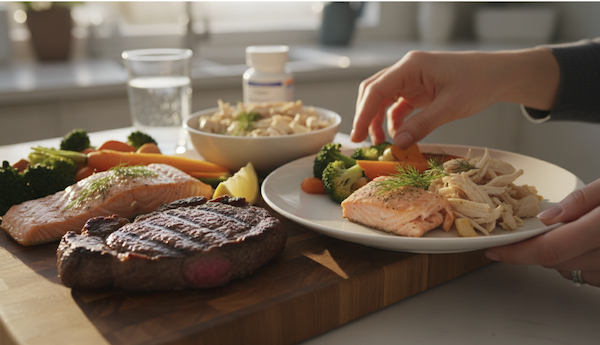
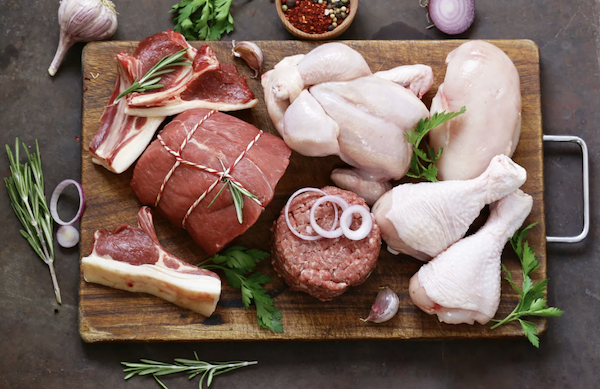
During pregnancy, consuming meat and poultry is important for protein intake. However, it’s essential to ensure meat is well-cooked and avoid eating it cold.
✅ Safe options:
Beef, chicken, lamb, sausages, minced meat, and freshly purchased hot takeaway chicken.
🚫 What to avoid:
Deli cold cuts (such as salami, ham), cold chicken or turkey (from salads or sandwiches), stuffing, liver and liver products, pâté, and meat spreads due to potential bacterial risks.
10
0
0
Energy Drinks While Pregnant- Is it safe?
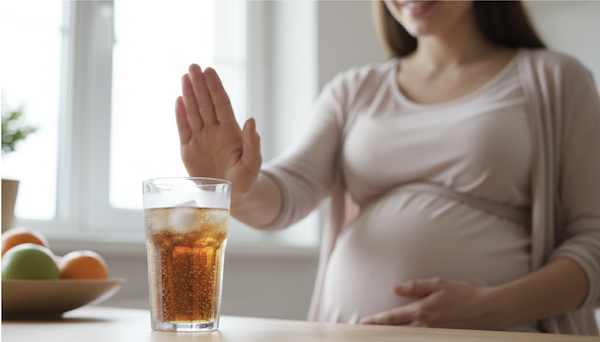
As a result of effective marketing campaigns, people worldwide are purchasing energy drinks. Among the numerous health benefits of energy drinks, their ability to improve physical performance, mental concentration, and alertness are significant.
Anemia associated with pregnancy can be caused by consuming energy drinks while pregnant, and these women frequently experience exhaustion and cannot perform at their highest levels. Excessive caffeine consumption has also been shown to be harmful to the fetus, and these are issues that a doctor should investigate. While energy drinks are generally considered safe to consume in pregnancy, pregnant women should avoid these beverages because they can cause weight gain.
While energy drinks may contain high levels of caffeine and other potentially harmful ingredients, they are not recommended for pregnant women. Caffeine is found in various over-the-counter cold and flu medications, in particular. According to the labels of the majority of energy drink brands, pregnant and lactating women should refrain from consuming energy drinks to avoid complications. Continue reading to find out more information about energy drinks during pregnancy.
Can You Drink Energy Drinks While Pregnant?
Pregnant women should know the risks of consuming energy drinks containing potentially hazardous substances. Several issues are stating what happens if you drink energy drinks while pregnant. Likewise, too much sodium can cause swelling in the hands and feet; too much caffeine has been linked to growth restriction and a possible increase in certain conditions such as ADD or ADHD later in life; too much sugar can make you feel bad when it drops suddenly after digestion and contribute to weight gain, and too many calories or carbohydrates can contribute to excessive weight gain in children.
What Are the Components of Energy Drinks?
Energy drinks are popular beverages known for their stimulating effects, often consumed to enhance alertness and combat fatigue. While these beverages can provide a quick energy boost, it’s crucial to understand their components and potential health implications. Energy drinks typically contain the following components:
Caffeine: A central nervous system stimulant that enhances alertness and reduces fatigue.
Sugar: Provides a quick source of energy, but excessive consumption may have adverse health effects.
Taurine: An amino acid that is naturally found in the body and may play a role in energy metabolism.
B vitamins: Essential for various metabolic processes and energy production.
Amino acids: Some energy drinks may include amino acids like L-carnitine or L-arginine, which are involved in energy metabolism.
Herbal extracts: Certain energy drinks may contain extracts from herbs like ginseng or guarana, believed to have stimulant effects.
What Are the Risks of Having Energy Drinks When Pregnant?
When it comes to consuming energy drinks while pregnant, many expectant mothers are concerned about the potential risks. Caffeine may be safe to consume during pregnancy; however, energy drinks containing foreign ingredients should be avoided during this time. Also, due to the high levels of caffeine in the beverage, it can have a negative impact on a pregnant woman and her unborn baby.
While energy drinks may appear to be a quick fix when you’re in a rush to get out the door, they contain a significant amount of caffeine, which can be harmful if consumed in large quantities. Even though a single 24-ounce serving of these beverages can contain up to 500 milligrams of caffeine, they frequently contain significant amounts of sugar and other potentially harmful chemicals to an unborn child during pregnancy. The consumption of energy drinks while pregnant may also result in the delivery of a premature baby, so it is important to keep this in mind.
It is strongly advised that you avoid consuming energy drinks at all costs while you are expecting your child. When finished with more than two or three cups throughout the day, coffee may be harmful to your developing fetus, although one cup of coffee per day may not be harmful. Various factors are stating why can’t you drink energy drinks while pregnant.
Check out the hidden risks of having energy drinks when pregnant.
1. High in sugar content
2. Caffeine
3. Stimulant and diuretic properties
4. Caffeine enters the unborn child’s system
5. Break-down of caffeine slows with age
6. Additional considerations
13
2
0
Mutlu Anne
Pregnancy Tracker
Your trusted companion throughout your pregnancy journey. Get personalized support from conception to birth.
Quick Links
Stay Updated
Subscribe to get pregnancy tips and app updates delivered to your inbox.
Secure
Trusted
4.9 Rating
© 2026 Mutlu Anne. All rights reserved.
Made with
for moms