Track YourPregnancy
Get week-by-week updates, personalized health tips, and expert guidance throughout your pregnancy. Join thousands of happy moms!


500K+
Happy Moms
4.9
App Rating
40
Weekly Updates
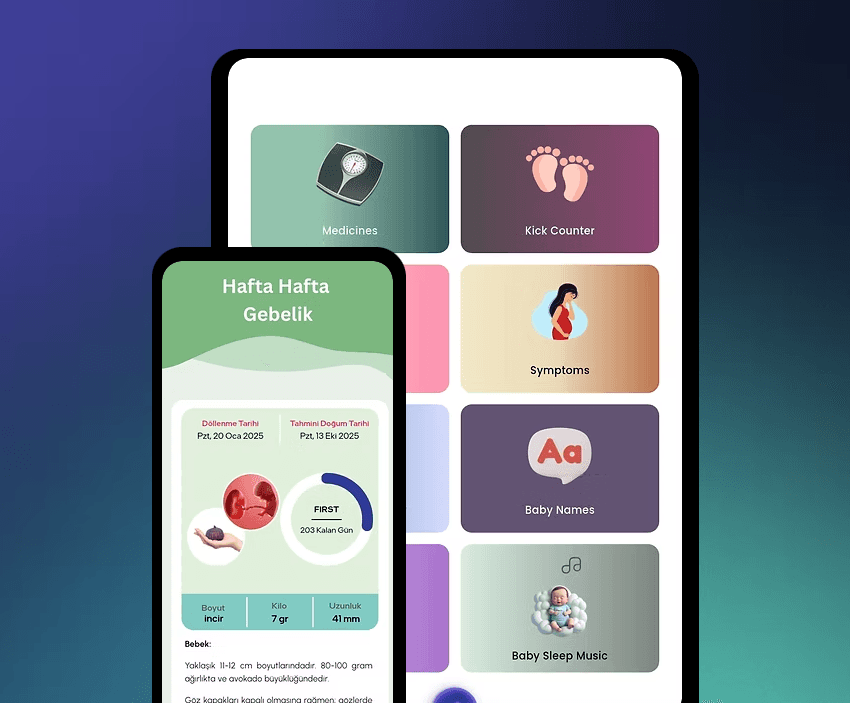
Everything You Need for a Healthy Pregnancy
Our app provides comprehensive tools and resources to guide you through every stage of your pregnancy journey.
Week-by-Week Tracking
Follow your baby's development from conception to birth with detailed weekly updates and milestones.
Baby Development
Learn about your baby's size, weight, and development at each stage with beautiful illustrations.
Health & Nutrition
Get personalized nutrition advice, healthy recipes, and vitamin recommendations for each trimester.
Kick Counter
Track your baby's movements easily and keep a record to share with your healthcare provider.
Pregnancy Checklist
Stay organized with customizable checklists for appointments, preparations, and must-haves.
Baby Names Guide
Explore thousands of baby names with meanings, origins, and popularity trends.
How It Works
Get started in just 3 simple steps and begin tracking your pregnancy journey.
Download & Register
Download the app from Google Play or App Store and create your free account in seconds.
Enter Your Due Date
Enter your last period date or expected due date, and we'll calculate your pregnancy week automatically.
Get Weekly Updates
Receive personalized weekly updates, health tips, and milestone reminders throughout your pregnancy.
What to Expect
Understand the changes in your body and your baby's development through each trimester.
1
First Trimester
Your baby grows from a fertilized egg into a fetus with arms, legs, and organs. You may experience morning sickness and fatigue.
2
Second Trimester
Often called the 'honeymoon period'. Nausea usually subsides, and you'll likely feel your baby move for the first time.
3
Third Trimester
Your baby is getting ready for birth. You might feel more uncomfortable as the baby grows and puts pressure on your organs.
Week by Week
Follow your baby's growth and development every week with detailed insights and 3D visualizations.
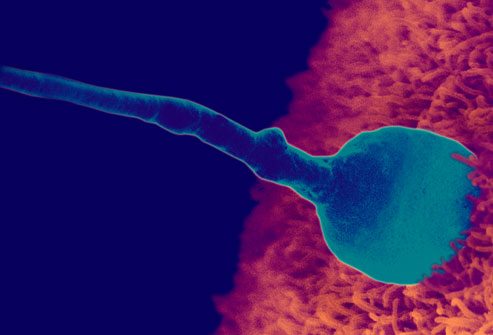
Small as a seed
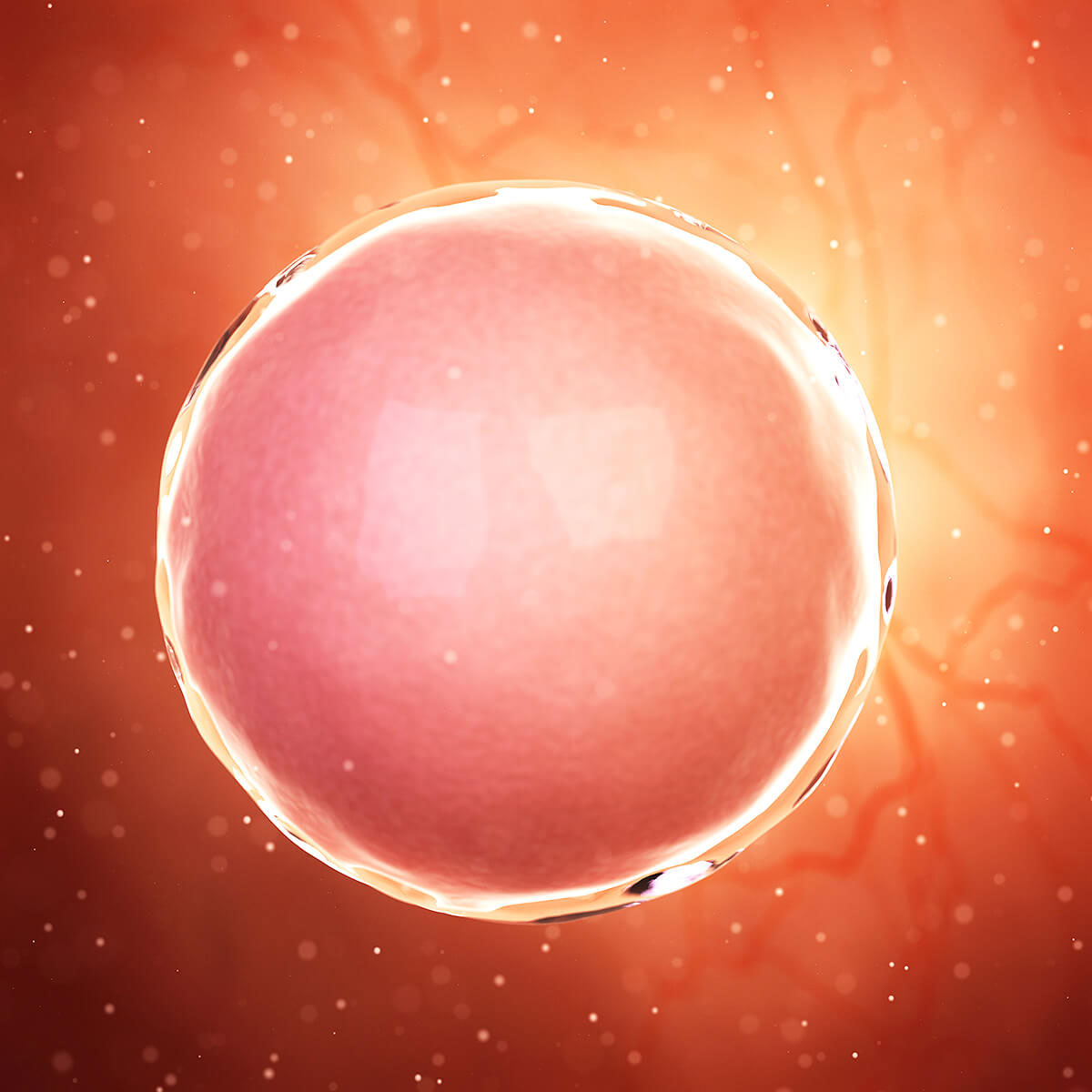
-----
⚖️ ------
📏 ------
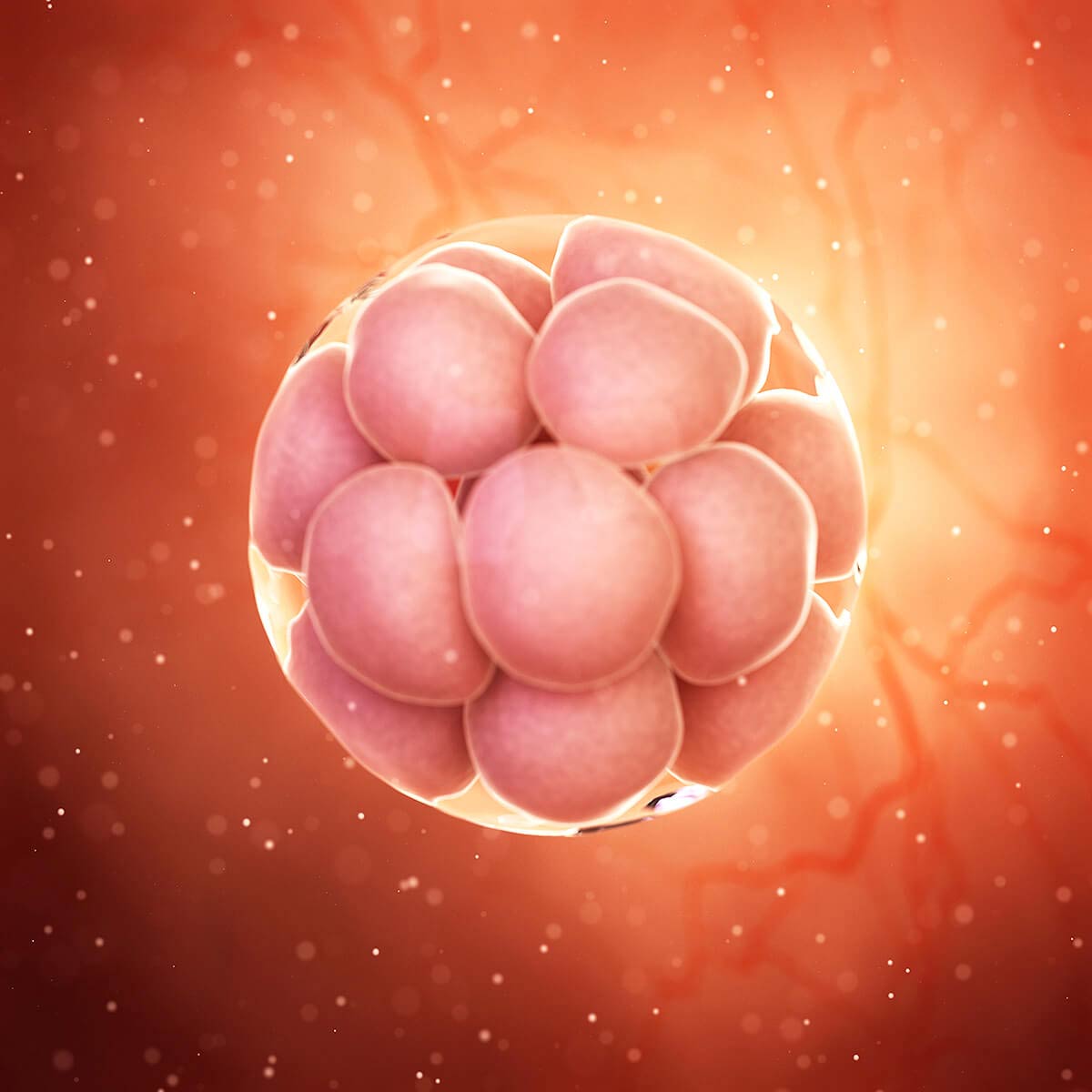
-------
⚖️ ------
📏 -----
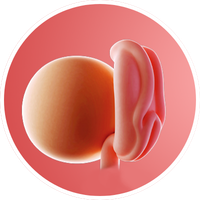
Poppy Seed
⚖️ >1 gr
📏 0.2mm
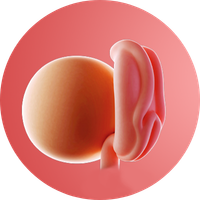
Sesame Seed
⚖️ >1gr
📏 2 mm
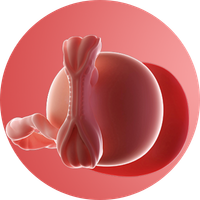
-Pea
⚖️ > 1 gr
📏 6 mm
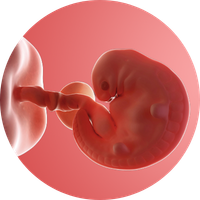
Grapes
⚖️ > 1 gr
📏 10 mm
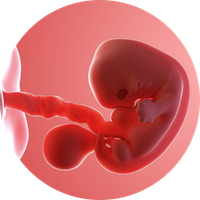
Raspberry
⚖️ 1 gr
📏 16 mm
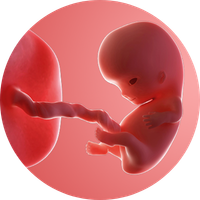
Straberry
⚖️ 2 gr
📏 22 mm
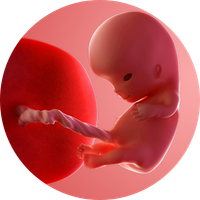
Apricot
⚖️ 4 gr
📏 31 mm
Get detailed information for all 40 weeks in the app
Get the AppThe Best Advice for You
Expert tips tailored for every week of your pregnancy journey.
🤰
Your last menstrual period
You've just gotten your last period, at least for a while: The lining of your uterus is shedding, taking with it last month's unfertilized egg. But that's not all that's happening. A new cycle is beginning, one that is the starting point for your pregnancy.
Your menstrual cycle is orchestrated by a symphony of hormones working in concert with one another. The first to kick in is FSH (follicle stimulating hormone) which — you guessed it — stimulates the follicles to mature, some faster than others.
A second hormone, lutenizing hormone (LH), increases around day 5 and also works with FSH to stimulate the follicles. Each follicle contains an egg, and each month only one follicle becomes the dominant one, destined for ovulation.
As the follicles mature, they produce another hormone, estrogen, which does two things. First, it encourages the lining of the uterus to begin thickening again. Second, once a high enough level of estrogen is reached, it will trigger a spike in the production of LH.
That surge of LH causes the egg from the most mature follicle to burst through the ovarian wall (a process you probably know best as ovulation, which generally occurs about 24 to 36 hours after the LH surge) to meet Mr. Right — the lucky sperm that will turn that eager egg into a baby-in-the-making and make your body's prep work worth all the effort.
Believe it or not, the countdown to delivery day begins now, during the period before fertilization — even though egg and sperm haven't even been in the same room (or womb!).
And if you don't get pregnant this time around, don't stress: The average, healthy couple in their 20s and early 30s have about a 25 to 30% chance of getting pregnant with each cycle.
In the meantime, while your uterus is preparing for its new tenant, be a good landlord. Think of these two weeks of waiting as a final walk-through before baby takes over the keys. You may not technically be pregnant yet, but it isn't too early to act like you are. Start taking your prenatal vitamin, give up alcohol and smoking, and embark on a healthy prenatal diet and exercise routine.
The Happy Mom app is with you every step of the way on your pregnancy journey.
Thank you for reading.
🤰
Your Pre-Pregnancy Body
How does your stomach feel at 2 weeks pregnant? Well, if you do conceive at 2 weeks, symptoms won’t appear right away. In fact, you won’t be able to find out for sure if you’re pregnant until there’s enough pregnancy hormone in your system for a home pregnancy test to detect. That should happen at about week 4, which is the same time you’ll probably miss your period. Around this time, those hormone levels are finally high enough that they give you some noticeable pregnancy symptoms. Some women swear they do start noticing early pregnancy signs before week 4 though.
The Happy Mom app is with you every step of the way on your pregnancy journey.
Thank you for reading.
🤰
The corpus luteum and pregnancy hormones
For now, it will seem like nothing is happening on the outside — but only for the next couple of weeks. If your timing is right and you've had sex during ovulation, your egg has been fertilized by one lucky sperm and your body is gearing up to host the blastocyst (which will soon become your baby!) that's heading for the uterus, its home for the next nine months.
So what's happening inside this week? Just after the egg is released, the follicle it came from gets a new tenant called the corpus luteum, a yellowish body of cells that occupies the space left by the egg. The corpus luteum starts to produce progesterone and some estrogen, enough of both pregnancy hormones to nourish and support the future baby until the placenta takes over in about 10 weeks.
In the meantime, about a week after fertilization, the blastocyst (or soon-to-be embryo) implants itself in the uterine lining and the placenta starts to take shape. Within six to 12 days after snuggling into the uterus (around week 4 of pregnancy), the cells of the newly developing placenta begin making human chorionic gonadotropin (hCG).
HCG surges during the first trimester before dipping in the second, tells your ovaries to stop releasing eggs and triggers the production of more progesterone and estrogen — which keep the lining of the uterus from shedding and support the growth of the placenta.
As you'll later see, all these hormones play an important role throughout your pregnancy and cause a whole host of body changes, plus symptoms like morning sickness (yay?).
Traces of hCG can be picked up in urine and blood — which explains why home pregnancy tests have you pee on a stick and your OB/GYN runs a blood screening at your first appointment — but you probably won’t get a positive result on a pregnancy test for another week or two.
The Happy Mom app is with you every step of the way on your pregnancy journey.
Thank you for reading.
🤰
No symptoms yet?
Just a week after fertilization, baby-making is still in its infancy, so to speak. At 4 weeks pregnant, your body is gearing up, big-time — transforming quickly into a baby-growing haven that will house your little miracle for the next nine months or so.
Chances are you're oblivious to all the hubbub. While some women experience those pesky, PMS-like early pregnancy symptoms, including mood swings, bloating, and cramping, others don't feel a thing.
Whatever you're feeling or not feeling, it may be too early to see a reliable result on your pregnancy test.
The egg implants
Though you may not feel pregnant quite yet, here's what's going on behind the scenes.
The fertilized egg and your uterus are making contact this week in a process called implantation, as the blastocyst you'll one day call your baby begins to attach itself to the uterine lining.
Up to 25% of the time, implantation bleeding will occur as that bundle of cells burrows its way into the uterine wall. Implantation bleeding, which is usually very scant and either light pink, light red, or light brown, occurs earlier than your expected period.
Don't mistake it for your period and don't worry about the bleeding — it's not a sign that something is wrong. You might feel a little pressure in your abdomen (nothing to worry about!) and your breasts may feel a little tender and become even bigger (but get ready for more growth spurts!
The Happy Mom app is with you every step of the way on your pregnancy journey.
Thank you for reading.
Nutrition & Health
Expert nutrition advice, healthy recipes, and vitamin recommendations for every stage of your pregnancy.
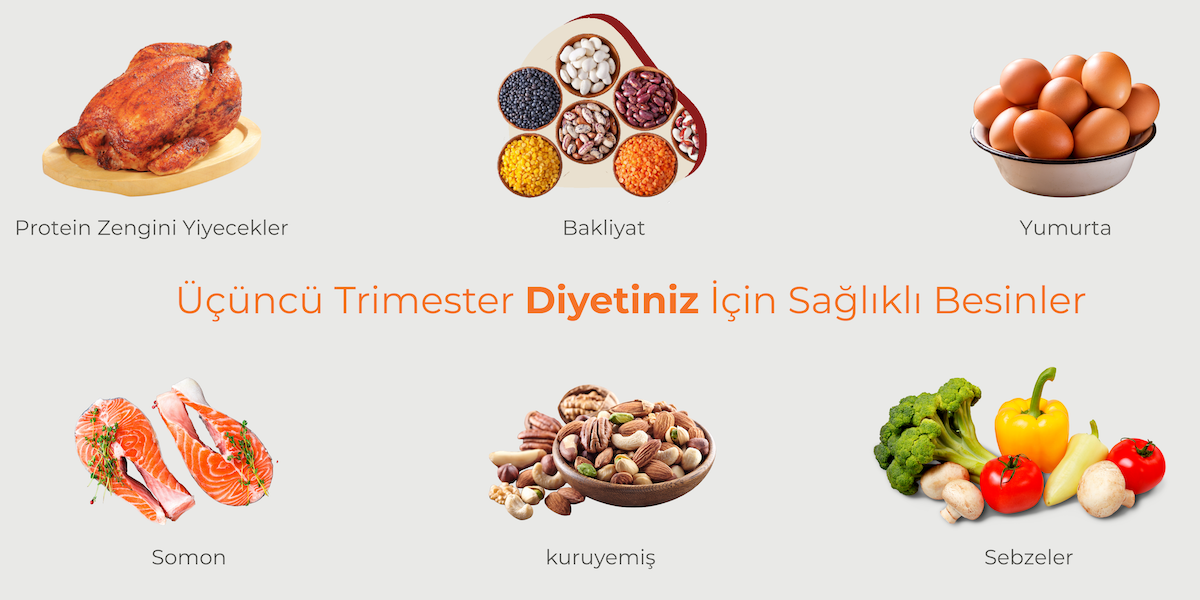
3 Trimester– What to Eat & What to Avoid
Congratulations on reaching the third trimester of your pregnancy! This is an exciting milestone as you near the end of your journey and prepare to welcome your little one into the world. While you may be tempted to indulge in your favorite foods to celebrate, it’s important to prioritize a healthy third trimester diet for both your and your baby’s well-being. Nutritious foods will support proper growth and development, setting the stage for a healthy delivery and a strong start for your baby’s life ahead. Remember to listen to your body’s needs and consult with your healthcare provider for personalized guidance. Enjoy this special time and take care of yourself!
Foods to Eat During Your Third Trimester
The growth and development of your baby will depend on what you eat, and that’s the reason why the 7 to 9 months pregnancy diet is crucial. You will now need about 200 additional calories every day, and an adequate quantity of vitamins, fibre and minerals. Here are the foods for third trimester that you should include in your pregnancy diet.
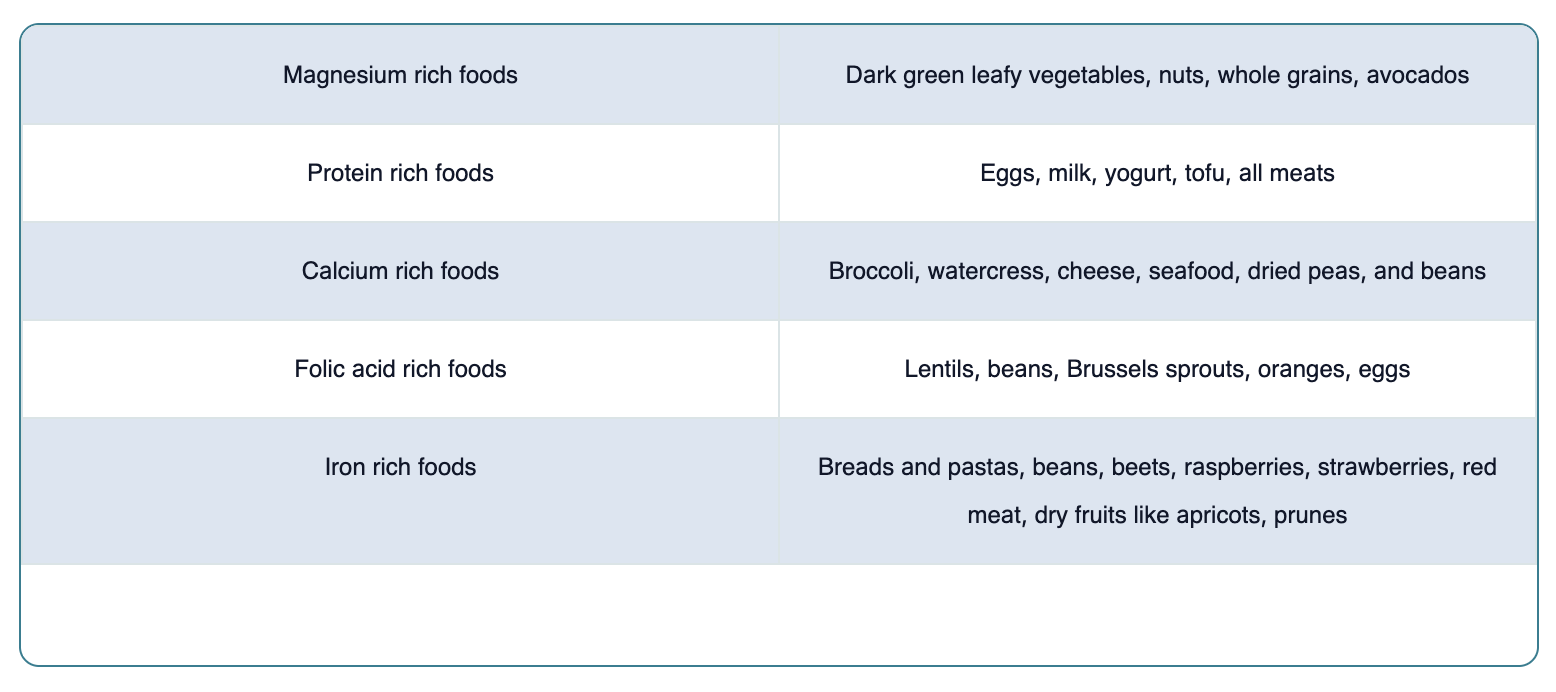
1. Foods Rich in Iron
2. Foods Rich in Protein
3. Foods Rich in DHA
4. Foods Rich in Folic Acid
5. Foods Rich in Calcium
6. Foods Rich in Magnesium
7. Foods Rich in Vitamin C, B6 and B12
8. Fruits and Vegetables
9. Nuts
What to Avoid in the Third Trimester of Pregnancy?
Avoid including these foods in your third-trimester pregnancy diet.
1- Salt: Avoid eating salty foods such as potato chips and fries.
2- Raw Vegetables: Raw veggies or uncooked veggies can lead to a gas problem, hence you must avoid eating raw veggies. Before eating any veggie, make sure you cook it well.
3- Spicy Foods: Spicy foods can cause indigestion and heartburn during pregnancy, hence they are best avoided in the last trimester.
30
14
0
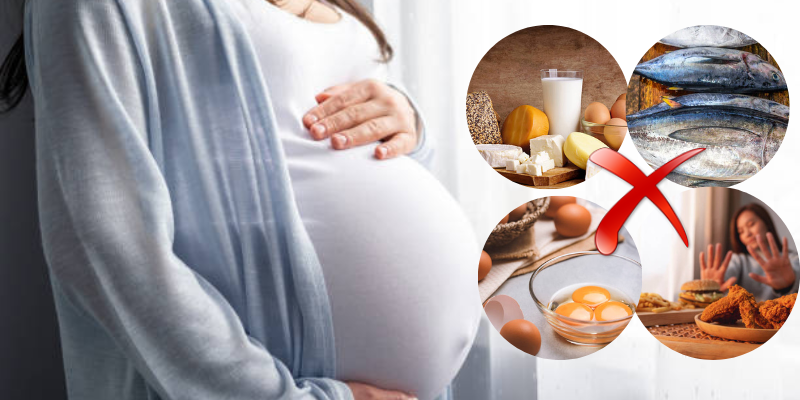
Foods to avoid during Pregnancy
To avoid complications during pregnancy, Costa recommends avoiding certain foods and substances. The list includes:
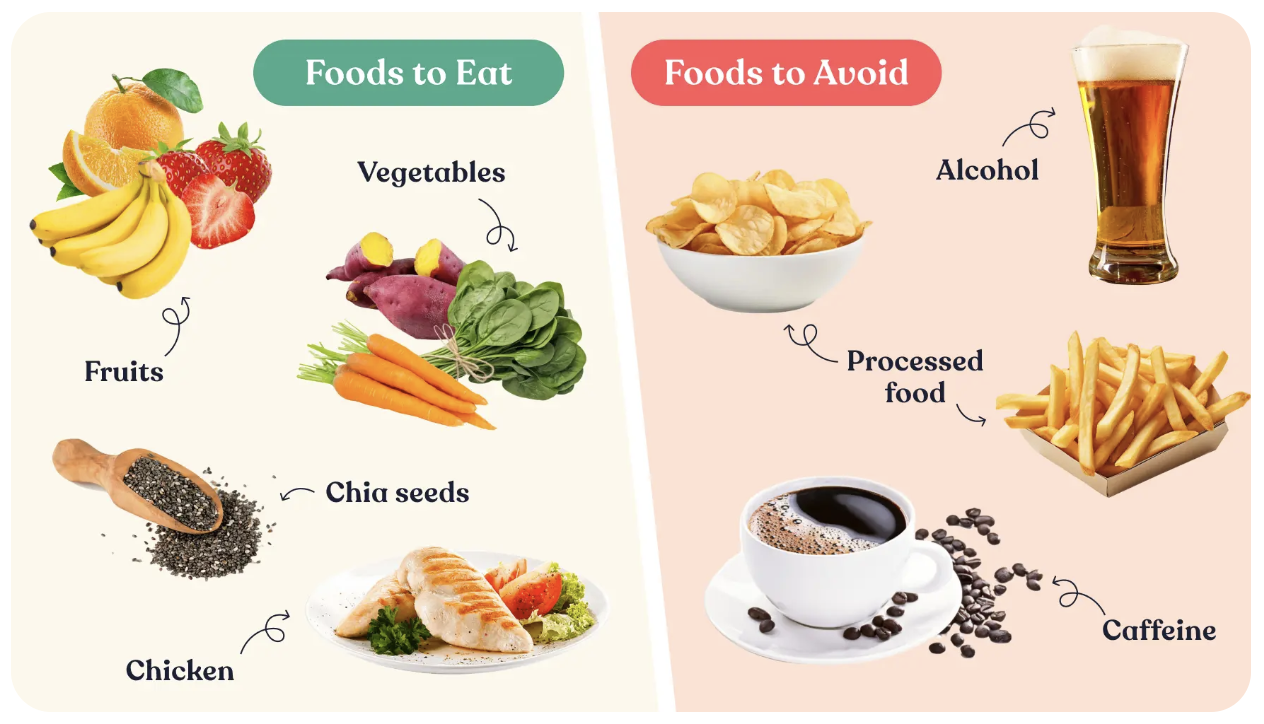
Processed foods. It’s no secret that processed foods are high in sodium, added sugars, and saturated fats. They are also low in minerals, vitamins, and dietary fiber. During pregnancy, these foods can increase the risk of pregnancy-related issues like GDM or gestational diabetes mellitus and can cause inflammation.
Foods with a high mercury content, namely, certain seafood. Tuna (including canned tuna), tilefish, swordfish, king mackerel, and marlin all contain mercury, which can affect your developing child’s nervous system and brain.
Raw and undercooked animal products are to be avoided for the sake of your health and the health of your child. Eating undercooked or uncooked eggs, poultry, fish, meat, and shellfish can cause illnesses such as toxoplasmosis, listeriosis, and salmonellosis.
Mold-ripened soft cheeses can contain listeria bacteria which can penetrate the placenta and cause health complications in babies or pregnancy loss. Therefore, it’s best to avoid cheese such as camembert, brie, and blue cheese.
It’s also best not to eat raw sprouts because they have been known to contain bacteria such as E. coli and salmonella. Only eat mung beans, radish, alfalfa, and even broccoli sprouts when thoroughly cooked.
Alcohol can pass through the umbilical cord during pregnancy and lead to fetal alcohol spectrum disorders. So, all forms of alcohol must be avoided when you’re pregnant.
And last, but not the least, caffeine. As hard as it is, most women know that it’s not recommended to drink caffeine when pregnant because even as little as 200 milligrams can impact fetal development.
It’s not just coffee that you need to avoid, but also energy drinks and bars, tea, chocolates, and certain flu, cold and pain medication. Consult your doctor on medications that are safe to take while pregnant.
While this list is meant to give you direction, everyone’s tolerance levels and dietary requirements are different. Consult your doctor or work with a registered dietician to create a personalized pregnancy diet plan that is safe for you.
24
2
0

What Foods to Eat During Pregnancy for an Intelligent Baby
14 Best Foods to Eat During Pregnancy to Make Baby Smart & Intelligent
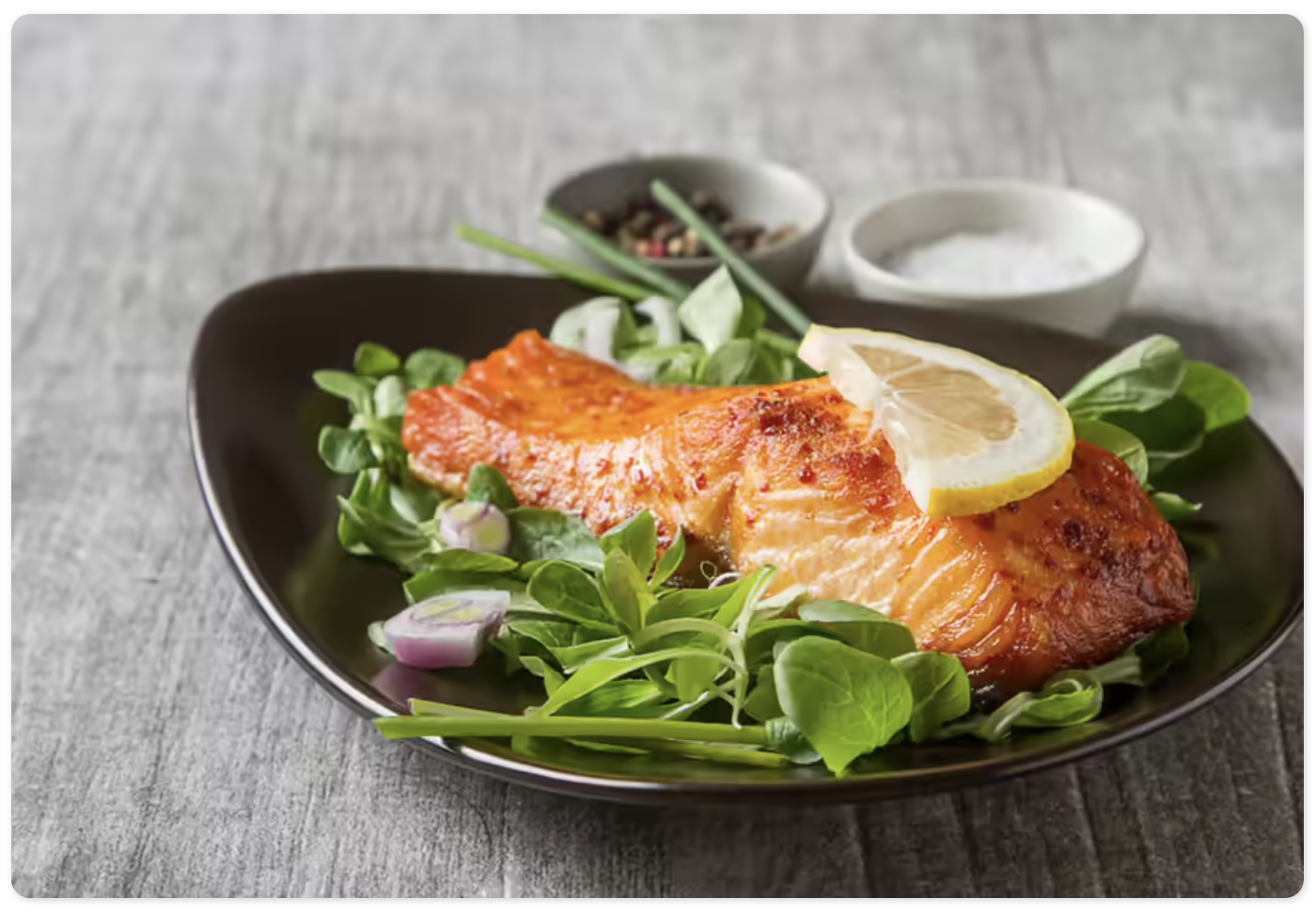
1. Fatty Fish
Omega-3 fatty acids are integral to your baby’s brain development. Pregnant women must eat salmon to give birth to intelligent children.
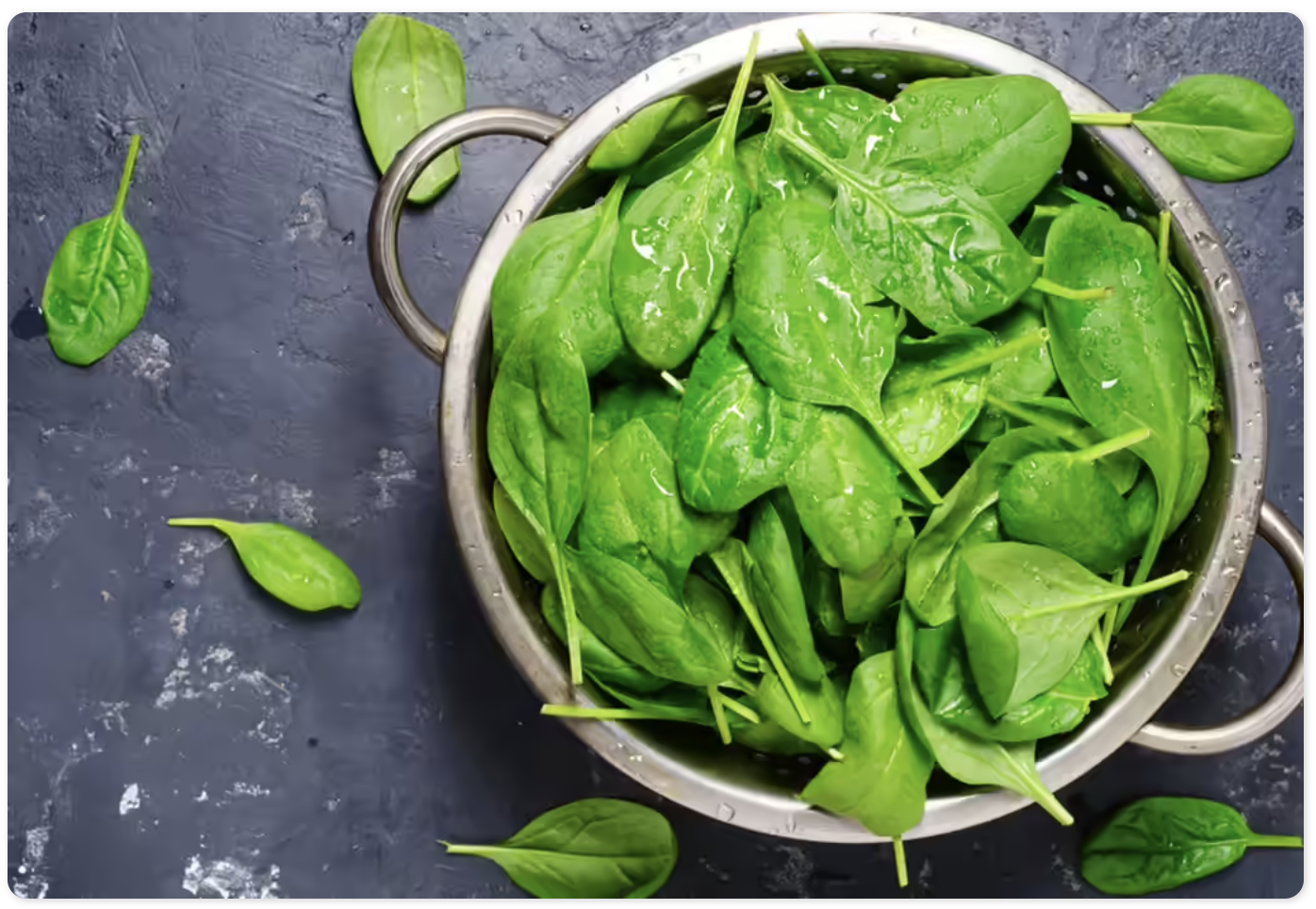
2. Green Leafy Vegetables
From spinach and lentils to leafy greens which are rich in folic acid, eating green leafy vegetables and certain pulses is important as it helps keep your baby’s brain protected from tissue damage.
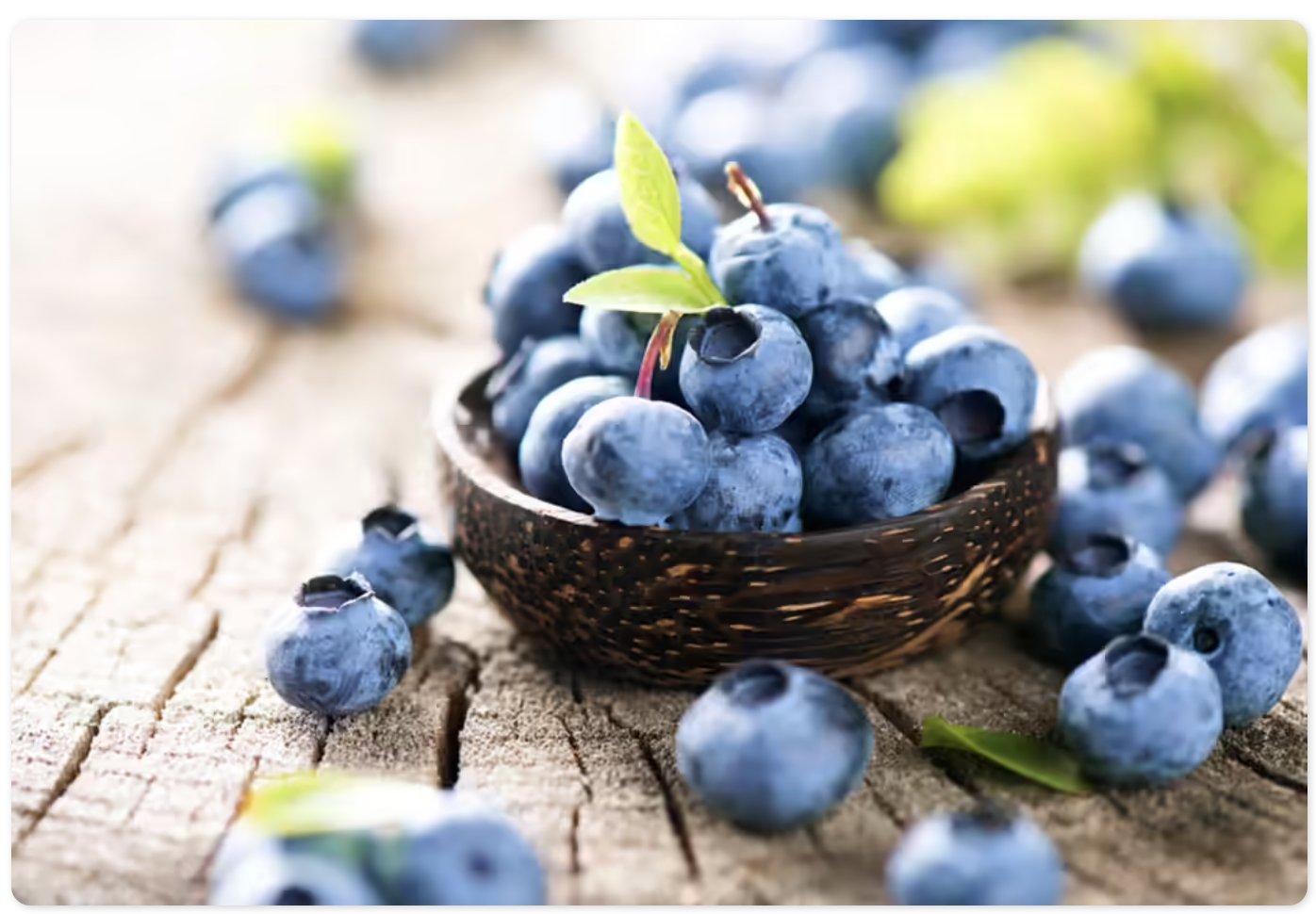
3. Blueberries
Blueberries are antioxidant-rich foods which will aid your baby’s cognitive development. Other alternatives for blueberries are strawberries, raspberries, blackberries, tomatoes, beans, and artichokes.
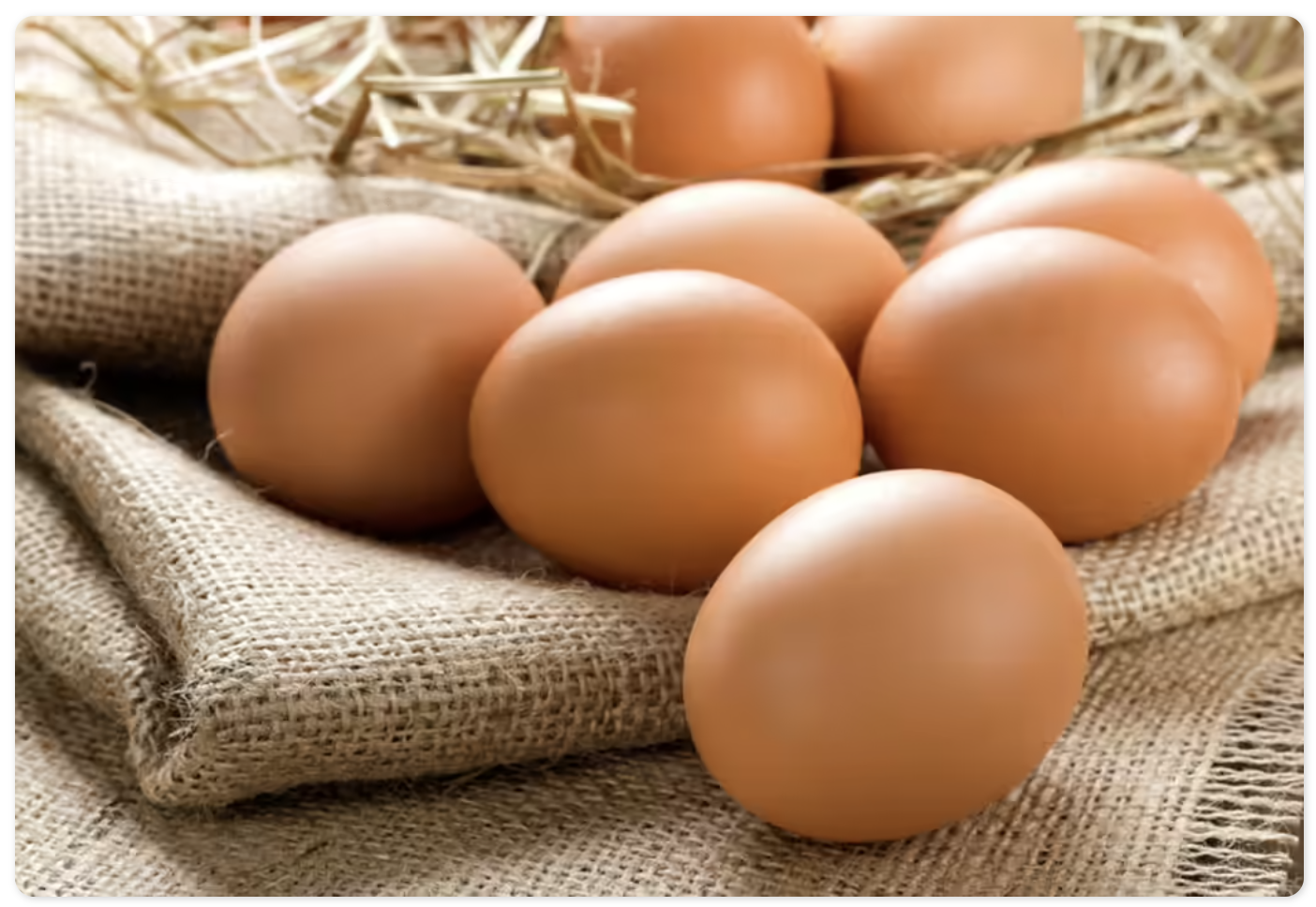
4. Eggs
Eggs are high in protein and low in calories, especially boiled eggs. They contain an amino acid called choline which has been proven to aid brain development and enhance memory too.
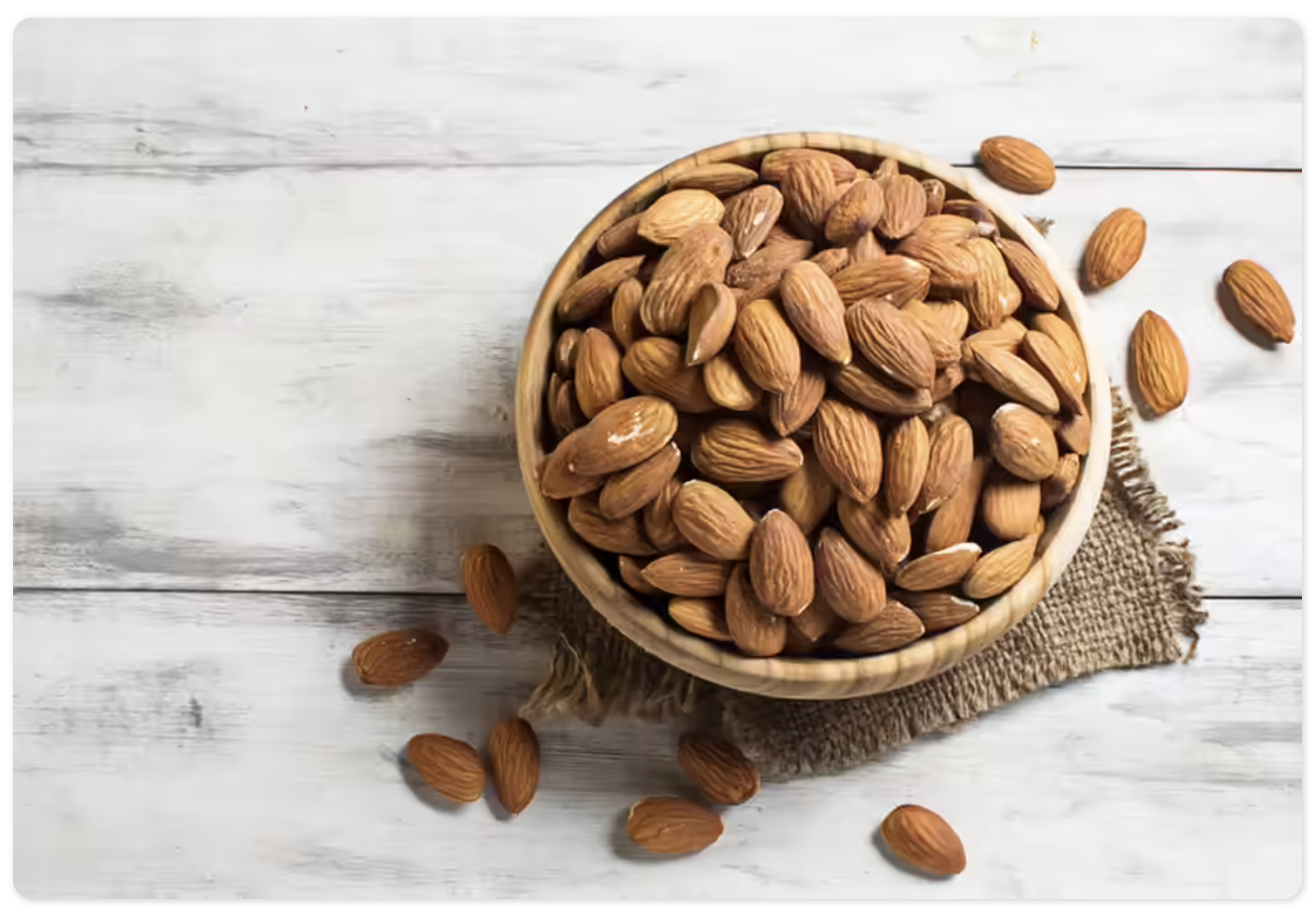
5. Almonds
Almonds are loaded with healthy fats, magnesium, Vitamin E, and protein. Brain-boosting omega-3 fatty acids are found abundantly in almonds.
6. Greek Yogurt
Protein-rich foods are necessary for forming healthy nerve cells in the mother’s womb for the cognitive development of the baby.

7. Cheese
Vitamin D is very important for the cognitive development of babies. Pregnant mothers with low levels of Vitamin D in their bodies can give birth to babies with low IQ levels.

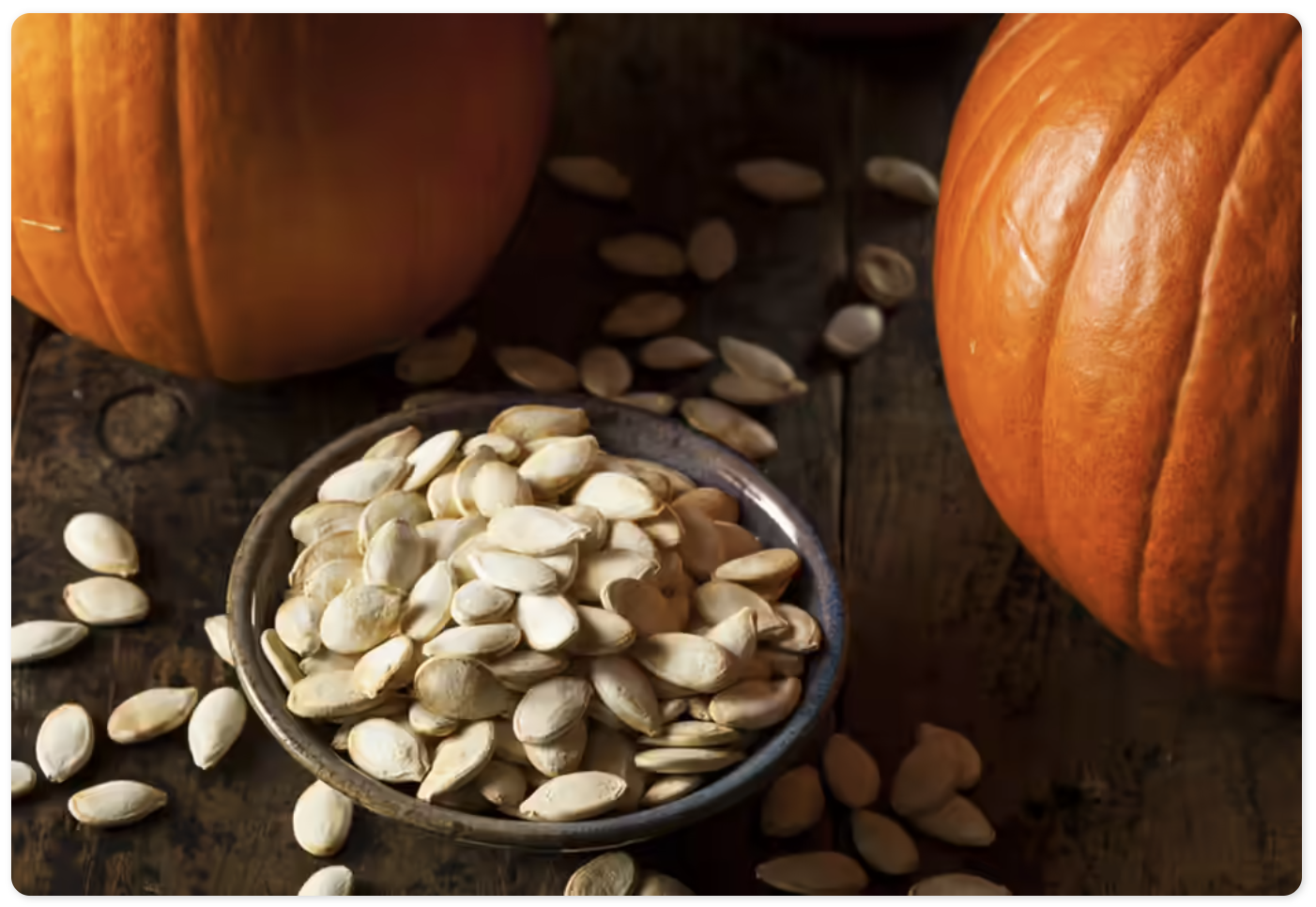
8. Pumpkin Seeds
Pumpkin seeds are loaded with zinc. Zinc is a mineral that’s known to promote proper brain structure and aid in the cognitive processing of information.
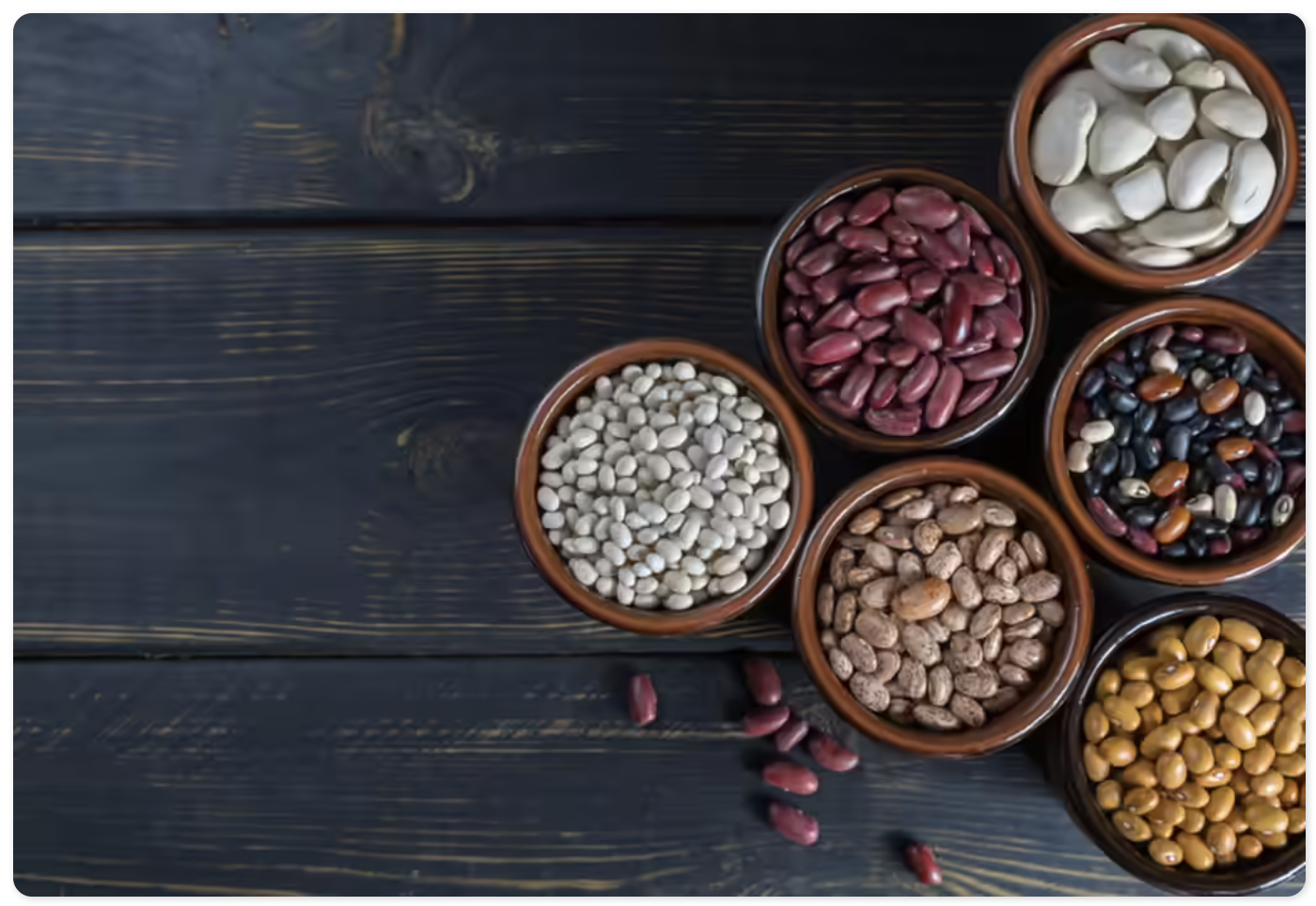
9. Beans
Iron is needed by the body for transporting oxygen to nerve cells in the baby’s brain. Beans contain a good amount of iron, which is why pregnant mothers are recommended to increase their intake of this food item in their diets.
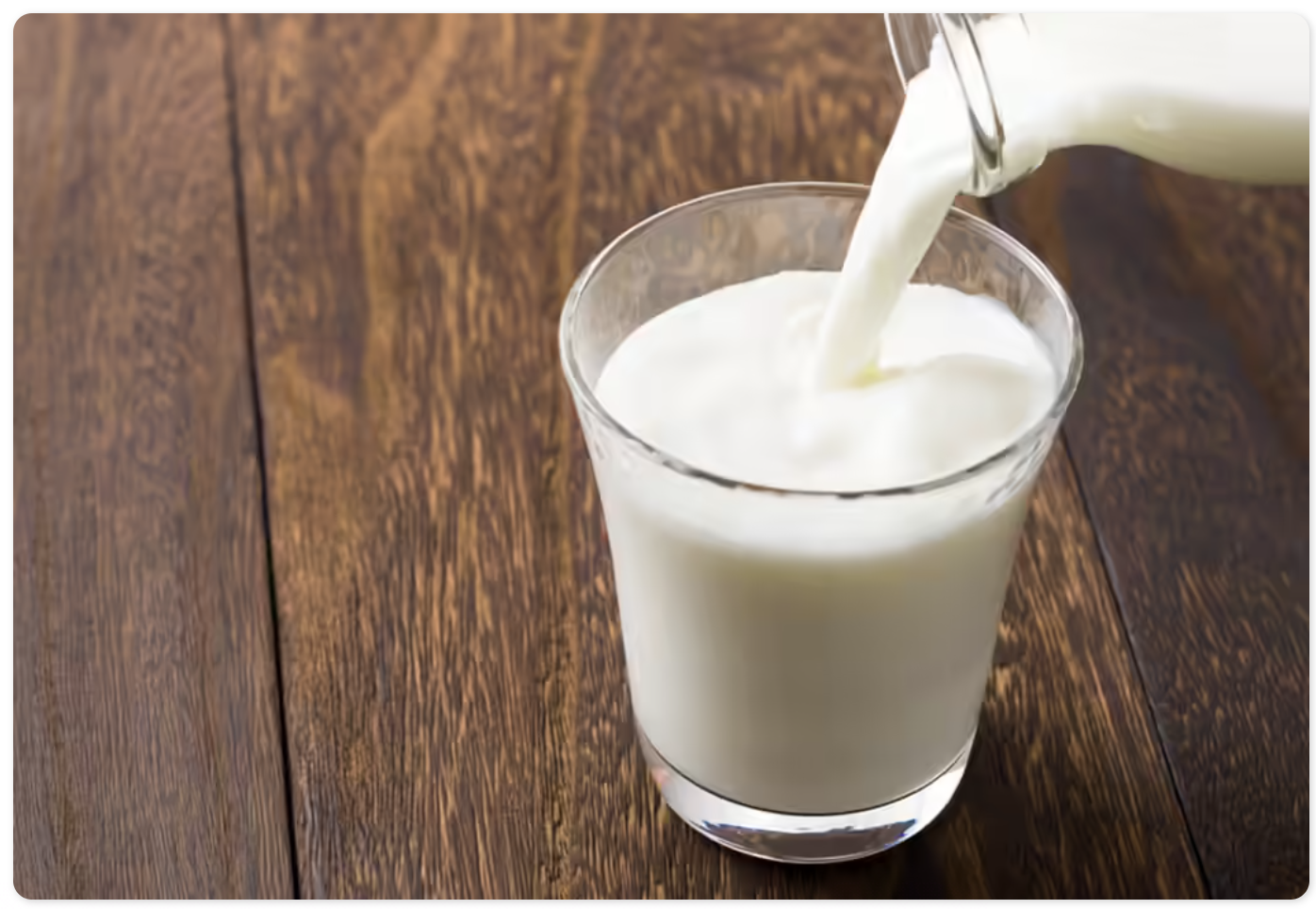
10. Milk
A lack of iron content in pregnant mothers’ bodies leads to mental growth retardation and majorly affects the baby’s overall cognitive development.
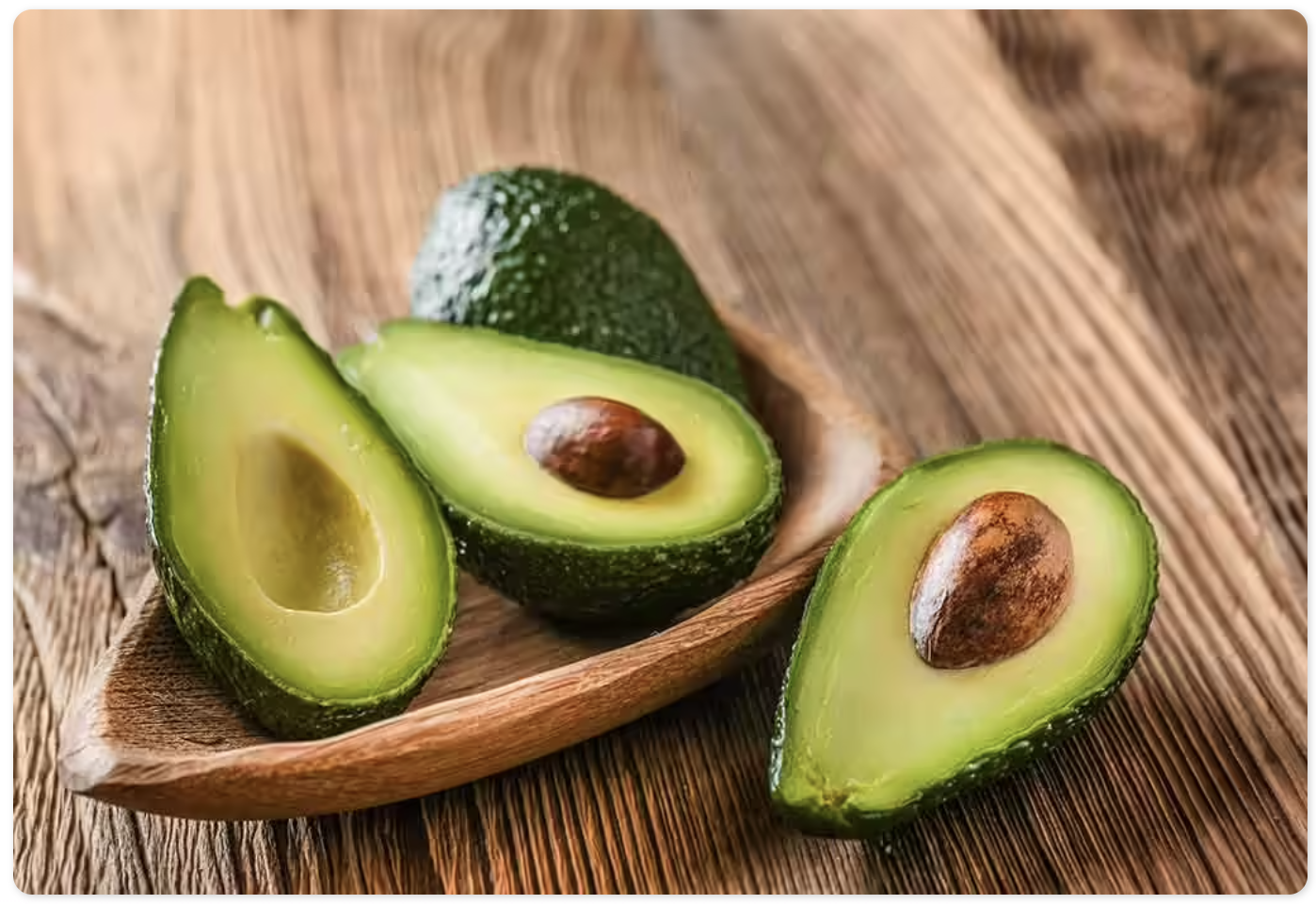
11. Avocados
Avocados are rich in monounsaturated fats, which contribute to healthy blood flow, crucial for the developing baby’s brain. They also contain folate, essential for preventing neural tube defects.
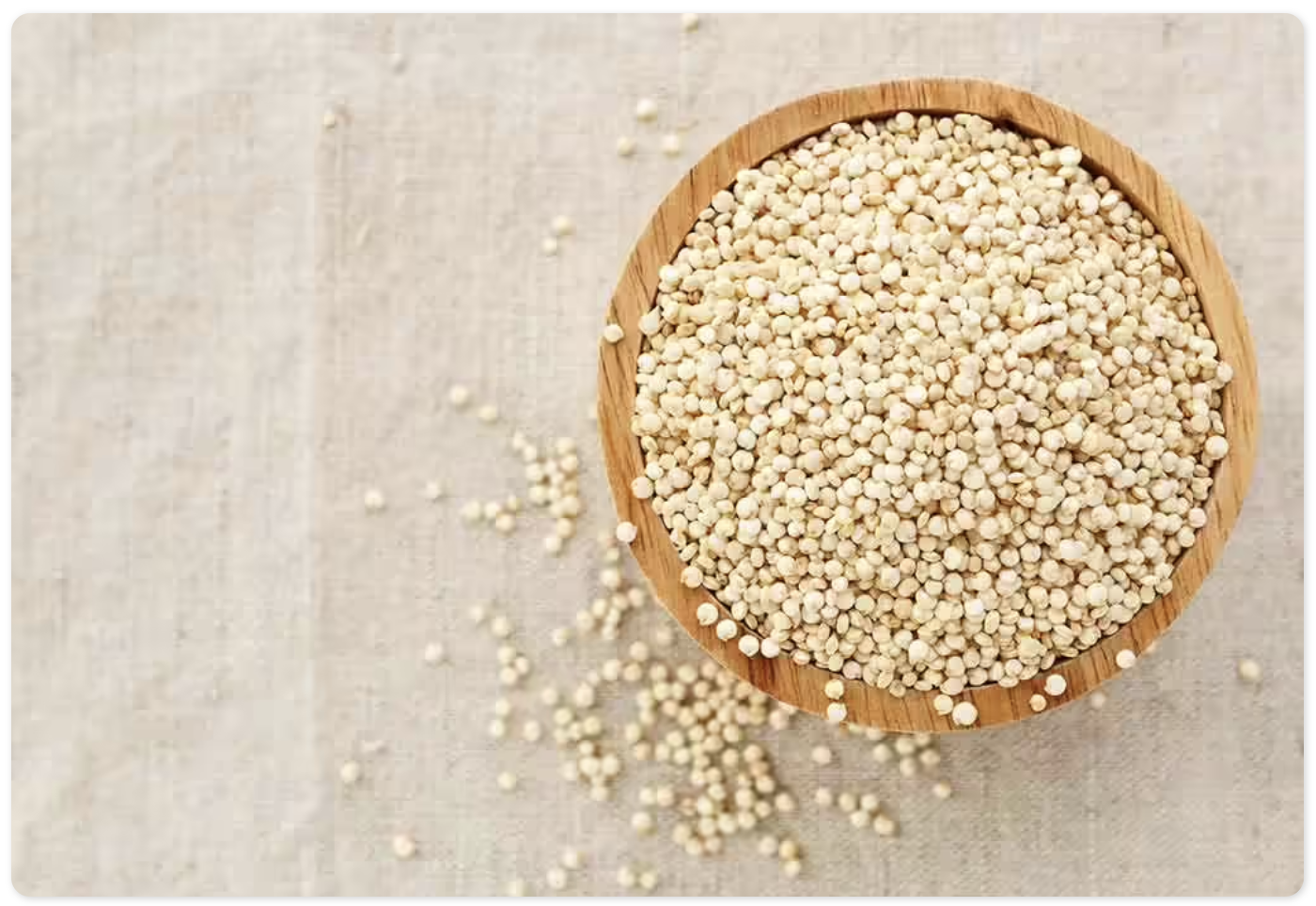
12. Quinoa
Quinoa is a nutrient-packed whole grain that provides a sustained release of energy. It contains iron, fiber, and protein, promoting optimal brain function and development in the growing fetus.
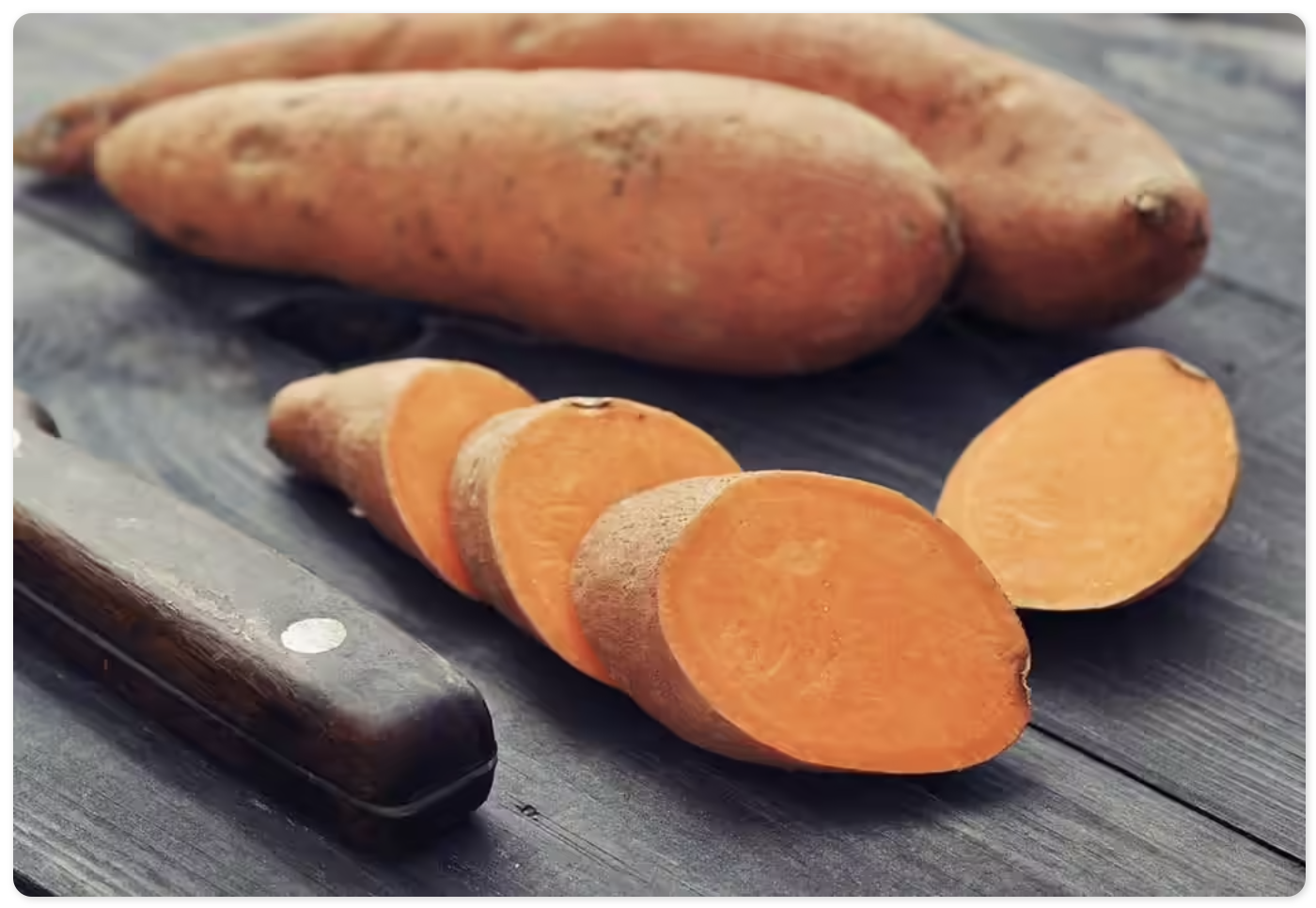
13. Sweet Potatoes
Packed with beta-carotene, sweet potatoes support the development of a robust immune system in both the mother and the baby.
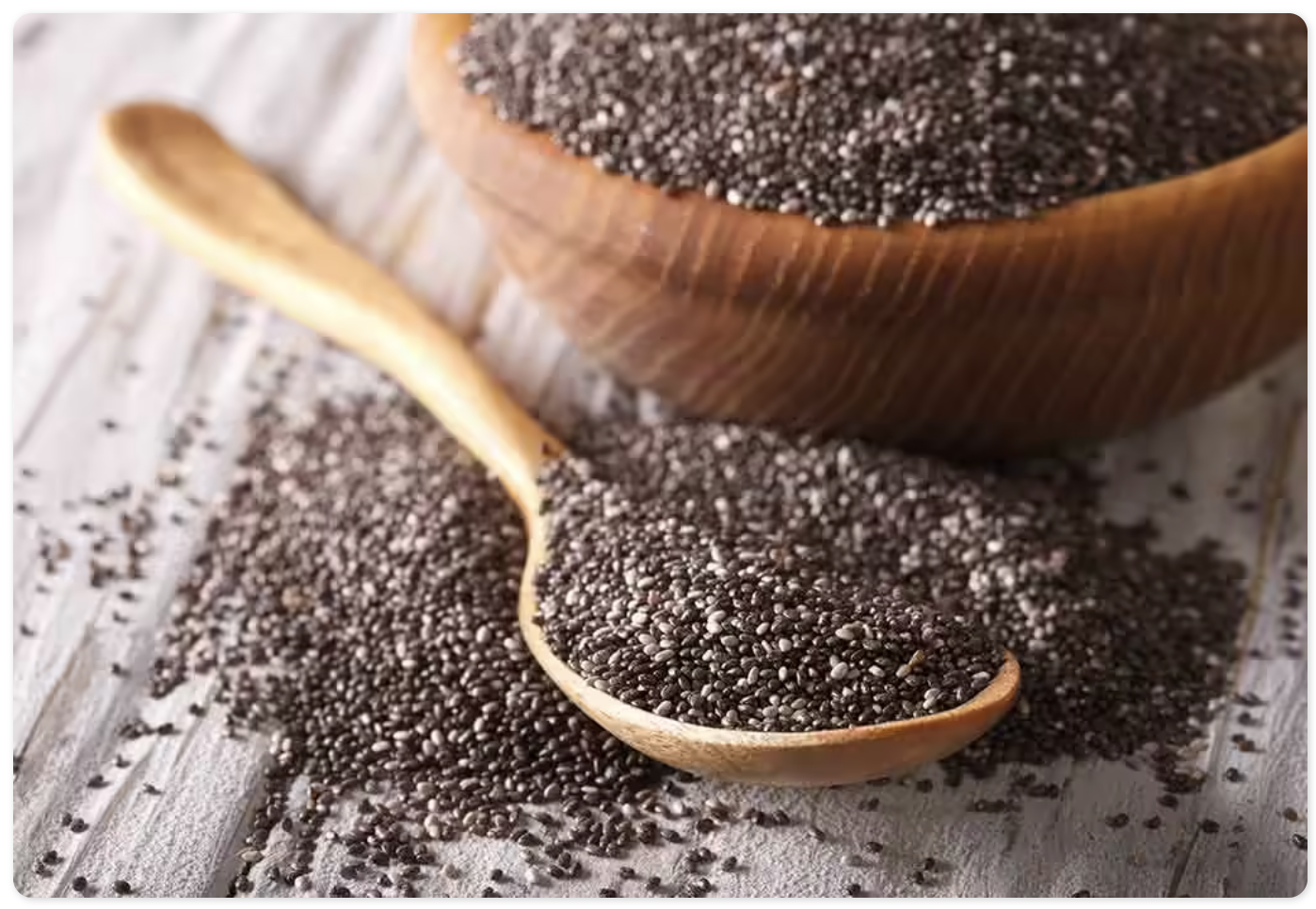
14. Chia Seeds
Chia seeds are a powerhouse of omega-3 fatty acids, fiber, and antioxidants. These tiny seeds contribute to fetal brain development and offer a healthy dose of energy for the expecting mother.
19
0
0
Best Vegetables to Eat and vegetables should avoid During Pregnancy
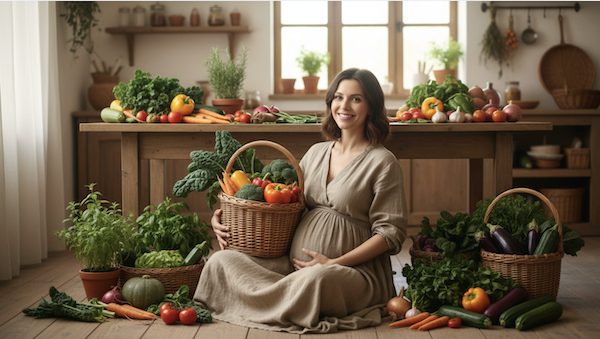
One of the first things a mother-to-be starts watching as soon as she sees the two lines on the pregnancy test is her diet. The correct intake of vegetables during pregnancy plays a humungous role in keeping the pregnancy journey healthy and secure. The quest for required nutrition leads to questions such as, ‘Are vegetables good for pregnancy?’ What vegetables should I eat?’ Questions like these are common. That is why here we are with an amazing on the best vegetables to eat during pregnancy.
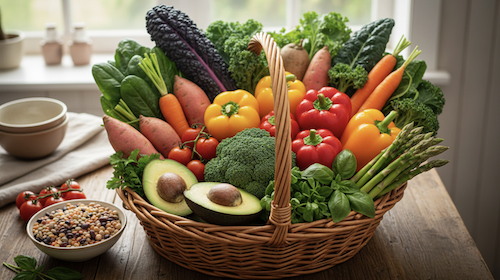
Importance of Vegetables in Pregnancy
During pregnancy, it is important to maintain a healthy diet. For this, you should choose the right kind of food and eat it in the right quantity and at the right time. Anything unhealthy can cause harm and lead to complications for both the mother and baby. A healthy diet that is rich in vegetables can help avoid complications such as gestational diabetes and nutrition deficiency, as they contain vitamins such as beta carotene, Vitamin C and folic acid, apart from the much-needed fibre. Eating vegetables also helps the baby develop a healthy birth weight, reduces the risk of anaemia, controls blood pressure, and leads to healthy weight gain in the mother.
Monitoring food habits during pregnancy is essential because it will help you lose the weight that you gain during pregnancy.
10 Vegetables to Eat During Pregnancy
There are many vegetables that ensure your body continues to receive a perennial supply of nutrients. Here are the top 10 vegetables good for pregnancy that should not forget:
1. Sweet Potatoes
These are excellent sources of Vitamins A, B, and C.
2. Beetroot
Beetroots are high in vitamins and fibre. They also help strengthen the immune system.
3. Bell peppers
They are high in vitamins and dietary fibre.
4. Broccoli
High in Vitamin C, K, and folate, they also prove beneficial for easing constipation.
5. Green peas
They are rich in Vitamins C and K, as well as fibre.
6. Dark leafy greens
High in fibre, carotenoids, and folate.
7. Parsley
They are high in protein, Vitamin E, and riboflavin.
8. Tomatoes
Rich in Vitamins C and K and biotin.
9. Cucumber
Rich source of water and fibre.
10. Asparagus
Excellent source of fibre, folate and Vitamins A, C, E and K.
What Vegetables You Should Avoid When Pregnant?
Among a whole lot of vegetables, there are some as well that could jeopardize the health of a mother and her baby during pregnancy.
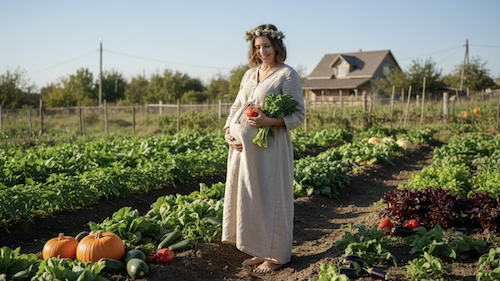
Here is the list of vegetables to avoid during pregnancy.
-Raw or undercooked sprouts, including mung beans, clover, radish, andalfalfa, could contain bacteria, such as Salmonella or E. coli.
-Salads bar items
-Prepackaged salad mixes
-Raw radishes
-Unwashed vegetables
Now you know which vegetables are safe for consumption during pregnancy, go ahead and add them to your pregnancy diet. However, do check with your doctor if you feel uncomfortable after eating a particular veggie twice or thrice. Your doctor or nutritionist will be able to guide you the best!
13
1
0
Find the Perfect Name
Explore thousands of beautiful names from different cultures with their meanings.
Agnessa
 RUSSIAN
Meaning
Agnessa (Агнесса) Rusça bir kız ismidir ve kökeni Antik Yunancaya dayanır. Klasik, zarif ve güçlü bir anlam taşır.
Agrafena
RUSSIANMeaning
Ahmar
RUSSIANMeaning
Kökeni: Arapça
Anlamı: Kızıl, kırmızı
Karakter Özellikleri: Cesur, enerjik, dikkat çekici, tutkulu ve kararlı
Akeila
RUSSIANMeaning
Kökeni: İbranice / Arapça kökenli
Anlamı: Zeki, akıllı, bilge
Karakter Özellikleri: Analitik, dikkatli, mantıklı, sorumluluk sahibi ve güvenilir
Aksinya
RUSSIANMeaning
Kökeni: Slav (Rus)
Anlamı: Misafirperver, koruyucu
Karakter Özellikleri: Şefkatli, sadık, yardımsever, anlayışlı ve güvenilir
Alek
RUSSIANMeaning
Kökeni: Yunanca / Slav
Anlamı: İnsanları koruyan, savunan
Karakter Özellikleri: Cesur, lider ruhlu, karizmatik, zeki ve sorumluluk sahibi
Aleksei
RUSSIANMeaning
Kökeni: Rus / Yunanca
Anlamı: Koruyucu, savunucu
Karakter Özellikleri: Zeki, karizmatik, cesur, lider ruhlu ve güvenilir
Aleksi
RUSSIANMeaning
Kökeni: Yunanca / Fince
Anlamı: Koruyucu, savunucu
Karakter Özellikleri: Zeki, cesur, sorumluluk sahibi, güvenilir ve lider ruhlu
Aleksis
RUSSIANMeaning
Kökeni: Yunanca
Anlamı: Koruyucu, savunan
Karakter Özellikleri: Zeki, kararlı, lider ruhlu, cesur ve güvenilir
Alexey
RUSSIANMeaning
Kökeni: Rus / Yunanca
Anlamı: Koruyucu, savunan
Karakter Özellikleri: Zeki, kararlı, cesur, lider ruhlu ve güvenilir
Alla
RUSSIANMeaning
Kökeni: Slav / İskandinav
Anlamı: Kutsal, yüce
Karakter Özellikleri: Zarif, nazik, sakin, anlayışlı ve sezgisel
Aloysha
RUSSIANMeaning
Kökeni: Rus (Aleksiy’in sevgi formu)
Anlamı: Koruyucu, savunan
Karakter Özellikleri: Nazik, sadık, şefkatli, anlayışlı ve güvenilir
Amalija
RUSSIANMeaning
Kökeni: Almanca / Latince
Anlamı: Çalışkan, gayretli
Karakter Özellikleri: Azimli, disiplinli, sorumluluk sahibi, kararlı ve güvenilir
Amaliji
RUSSIANMeaning
Kökeni: Almanca / Latince
Anlamı: Çalışkan, gayretli
Karakter Özellikleri: Azimli, disiplinli, sorumluluk sahibi, kararlı ve güvenilir
Ananya
RUSSIANMeaning
Kökeni: Sanskrit / Hint
Anlamı: Eşsiz, benzersiz
Karakter Özellikleri: Yaratıcı, özgün, sezgisel, kararlı ve ilham verici
Anatoli
RUSSIANMeaning
Kökeni: Sanskrit / Hint
Anlamı: Eşsiz, benzersiz
Karakter Özellikleri: Yaratıcı, özgün, sezgisel, kararlı ve ilham verici
Andrusha
RUSSIANMeaning
Kökeni: Slav / Rus
Anlamı: Cesur, güçlü
Karakter Özellikleri: Kararlı, cesur, sadık, lider ruhlu ve güvenilir
Anfisa
RUSSIANMeaning
Kökeni: Rus / Yunan
Anlamı: Saf, temiz
Karakter Özellikleri: Nazik, zarif, düşünceli, sakin ve güvenilir
Anitchka
RUSSIANMeaning
Kökeni: Slav / Rus
Anlamı: Zarif, küçük Anna (Anna’nın sevgi formu)
Karakter Özellikleri: Neşeli, nazik, sevecen, anlayışlı ve dost canlısı
Annick
RUSSIANMeaning
Kökeni: Fransız / Breton
Anlamı: Zarif, küçük Anna (Anna’nın sevgi formu)
Karakter Özellikleri: Nazik, zarif, sevecen, anlayışlı ve özgün
Discover 2,272+ Names in Our App
Save favorites, compare meanings, and find the perfect name for your baby with our advanced filtering tools.
Get the AppReady to Start Your Journey? 💕
Download our app today and join thousands of happy moms tracking their pregnancy with confidence and expert guidance.

Mutlu Anne
Pregnancy Tracker
Your trusted companion throughout your pregnancy journey. Get personalized support from conception to birth.
Quick Links
Stay Updated
Subscribe to get pregnancy tips and app updates delivered to your inbox.
Secure
Trusted
4.9 Rating
© 2026 Mutlu Anne. All rights reserved.
Made with
for moms