Care & Guidance
Mom Tips & Advice
Essential advice for every week of your journey. Practical tips to keep you healthy, happy, and prepared.
Week 1
Your last menstrual period
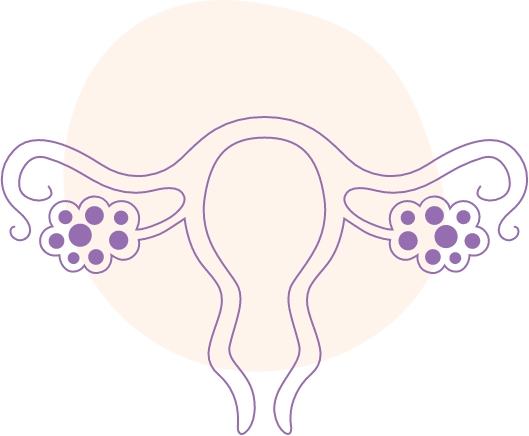
You've just gotten your last period, at least for a while: The lining of your uterus is shedding, taking with it last month's unfertilized egg. But that's not all that's happening. A new cycle is beginning, one that is the starting point for your pregnancy.Your menstrual cycle is orchestrated by a symphony of hormones working in concert with one another. The first to kick in is FSH (follicle stimulating hormone) which — you guessed it — stimulates the follicles to mature, some faster than others.A second hormone, lutenizing hormone (LH), increases around day 5 and also works with FSH to stimulate the follicles. Each follicle contains an egg, and each month only one follicle becomes the dominant one, destined for ovulation.As the follicles mature, they produce another hormone, estrogen, which does two things. First, it encourages the lining of the uterus to begin thickening again. Second, once a high enough level of estrogen is reached, it will trigger a spike in the production of LH.That surge of LH causes the egg from the most mature follicle to burst through the ovarian wall (a process you probably know best as ovulation, which generally occurs about 24 to 36 hours after the LH surge) to meet Mr. Right — the lucky sperm that will turn that eager egg into a baby-in-the-making and make your body's prep work worth all the effort.Believe it or not, the countdown to delivery day begins now, during the period before fertilization — even though egg and sperm haven't even been in the same room (or womb!).And if you don't get pregnant this time around, don't stress: The average, healthy couple in their 20s and early 30s have about a 25 to 30% chance of getting pregnant with each cycle.In the meantime, while your uterus is preparing for its new tenant, be a good landlord. Think of these two weeks of waiting as a final walk-through before baby takes over the keys. You may not technically be pregnant yet, but it isn't too early to act like you are. Start taking your prenatal vitamin, give up alcohol and smoking, and embark on a healthy prenatal diet and exercise routine.The Happy Mom app is with you every step of the way on your pregnancy journey.Thank you for reading.
Read Advice
Week 2
Your Pre-Pregnancy Body
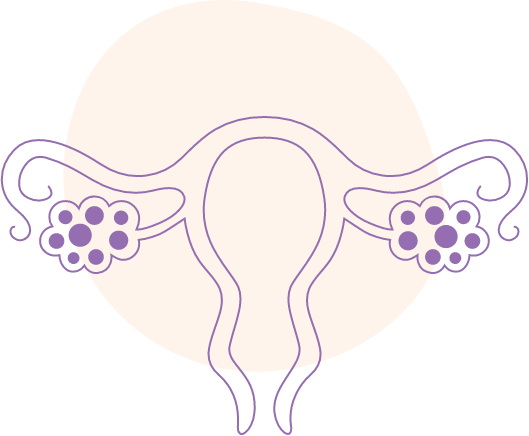
How does your stomach feel at 2 weeks pregnant? Well, if you do conceive at 2 weeks, symptoms won’t appear right away. In fact, you won’t be able to find out for sure if you’re pregnant until there’s enough pregnancy hormone in your system for a home pregnancy test to detect. That should happen at about week 4, which is the same time you’ll probably miss your period. Around this time, those hormone levels are finally high enough that they give you some noticeable pregnancy symptoms. Some women swear they do start noticing early pregnancy signs before week 4 though.The Happy Mom app is with you every step of the way on your pregnancy journey.Thank you for reading.
Read Advice
Week 3
The corpus luteum and pregnancy hormones
For now, it will seem like nothing is happening on the outside — but only for the next couple of weeks. If your timing is right and you've had sex during ovulation, your egg has been fertilized by one lucky sperm and your body is gearing up to host the blastocyst (which will soon become your baby!) that's heading for the uterus, its home for the next nine months.So what's happening inside this week? Just after the egg is released, the follicle it came from gets a new tenant called the corpus luteum, a yellowish body of cells that occupies the space left by the egg. The corpus luteum starts to produce progesterone and some estrogen, enough of both pregnancy hormones to nourish and support the future baby until the placenta takes over in about 10 weeks.In the meantime, about a week after fertilization, the blastocyst (or soon-to-be embryo) implants itself in the uterine lining and the placenta starts to take shape. Within six to 12 days after snuggling into the uterus (around week 4 of pregnancy), the cells of the newly developing placenta begin making human chorionic gonadotropin (hCG).HCG surges during the first trimester before dipping in the second, tells your ovaries to stop releasing eggs and triggers the production of more progesterone and estrogen — which keep the lining of the uterus from shedding and support the growth of the placenta.As you'll later see, all these hormones play an important role throughout your pregnancy and cause a whole host of body changes, plus symptoms like morning sickness (yay?).Traces of hCG can be picked up in urine and blood — which explains why home pregnancy tests have you pee on a stick and your OB/GYN runs a blood screening at your first appointment — but you probably won’t get a positive result on a pregnancy test for another week or two.The Happy Mom app is with you every step of the way on your pregnancy journey.Thank you for reading.
Read Advice
Week 4
No symptoms yet?
Just a week after fertilization, baby-making is still in its infancy, so to speak. At 4 weeks pregnant, your body is gearing up, big-time — transforming quickly into a baby-growing haven that will house your little miracle for the next nine months or so.Chances are you're oblivious to all the hubbub. While some women experience those pesky, PMS-like early pregnancy symptoms, including mood swings, bloating, and cramping, others don't feel a thing.Whatever you're feeling or not feeling, it may be too early to see a reliable result on your pregnancy test.The egg implantsThough you may not feel pregnant quite yet, here's what's going on behind the scenes.The fertilized egg and your uterus are making contact this week in a process called implantation, as the blastocyst you'll one day call your baby begins to attach itself to the uterine lining.Up to 25% of the time, implantation bleeding will occur as that bundle of cells burrows its way into the uterine wall. Implantation bleeding, which is usually very scant and either light pink, light red, or light brown, occurs earlier than your expected period. Don't mistake it for your period and don't worry about the bleeding — it's not a sign that something is wrong. You might feel a little pressure in your abdomen (nothing to worry about!) and your breasts may feel a little tender and become even bigger (but get ready for more growth spurts!The Happy Mom app is with you every step of the way on your pregnancy journey.Thank you for reading.
Read Advice
Week 5
HCG and home pregnancy tests
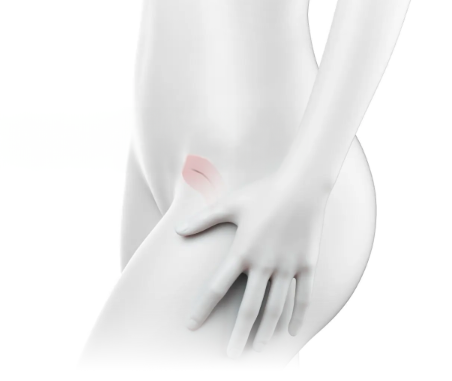
By now you should have missed your period — one of the more obvious indications that you're pregnant. It's time to pee on a stick (good news since you probably need to go more often anyway), because at 5 weeks pregnant the level of hCG, the pregnancy-announcer hormone, in your urine is high enough to be detected by a home pregnancy test.That means you'll be able to confirm what you probably already suspect: You're expecting!This news will probably elicit a combo platter of emotions ranging from sheer joy to sheer terror as the reality that you're going to be a parent sets in. Mood swings are totally normal — kind of like PMS on overdrive — so don't worry if you're having them.The Happy Mom app is with you every step of the way on your pregnancy journey.Thank you for reading.
Read Advice
Week 6
Frequent urination
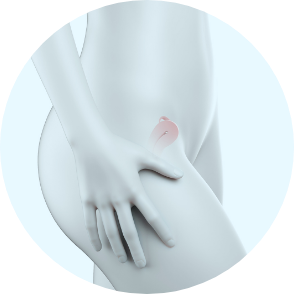
Your body may not yet have changed on the outside, but you'll be reminded you're 6 weeks pregnant every time you feel queasy or bloated or dive head-first into your sixth grapefruit of the day — funny, because you never craved grapefruit before.Another clue? You're in the bathroom more than you're out of it. Frequent urination is a symptom no pregnant woman enjoys, especially when it breaks up the sleep you really need right now, but it's one of the most common signs of pregnancy, especially early on.Why? For one thing, the pregnancy hormone hCG is causing an increase of blood flow to your pelvic area — good for increased sexual pleasure, not so good when you're 10 minutes into a two-hour movie at the theater.What's more, your kidneys are becoming more efficient at ridding your body of waste. Add to that the fact that your growing uterus is beginning to push down on your bladder, leaving less storage space for urine, and you've got a perfect (pee) storm. Luckily, this pressure is often relieved once the uterus rises into the abdominal cavity in the second trimester.Here's a quick tip: Lean forward when you pee to ensure that your bladder is completely emptied each time. Then, when you think you’re done, pee again. This way, you might need fewer trips to the bathroom. But don't be tempted to cut back on liquids — your body needs a steady supply of fluids.The Happy Mom app is with you every step of the way on your pregnancy journey.Thank you for reading.
Read Advice

Week 7
Know the signs
Even if you're not telling anyone you're pregnant yet, your baby's certainly telling you. Not in so many words, but in so many pregnancy symptoms. Like that nagging pregnancy nausea that may be following you around day and night or all that excess saliva pooling in your mouth (am I drooling?Then there's that other early pregnancy sign you may be noticing, especially when you struggle to button your blouse over your ever-growing breasts (are these really mine?)The Happy Mom app is with you every step of the way on your pregnancy journey.Thank you for reading.
Read Advice
Week 8
Morning sickness
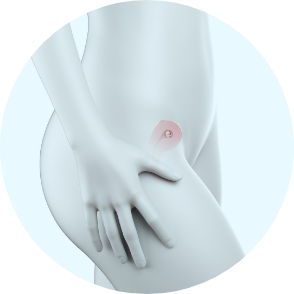
While your babe isn't exactly causing you to show yet, chances are your clothes are feeling a little tight around the tummy. That's because your uterus, usually the size of a fist, has grown to the size of a large grapefruit by week 8 of pregnancy.Admittedly, that's still pretty small. But while it's unlikely you look pregnant from the outside, you almost certainly feel pregnant on the inside, especially when those insides threaten to come out all day long.Yes, it's that notorious pregnancy rite of passage: morning sickness — though the name can be misleading. If you're among the estimated 75% of pregnant women who have morning sickness, you know all too well that it may start in the morning — but it can linger all day and all night.No one knows for sure what causes that queasy feeling — and does it really matter when you're about to toss your cookies for the third time today? — though theories abound. It could be because of the increased levels of hCG and estrogen circulating in your body or the relaxation of the muscles in the digestive tract, making digestion less efficient. It could also be due to rising progesterone levels or the rapid stretching of the uterine muscles.Whatever the cause, take heart — your baby feels just fine, even while you're hugging the bowl. Try to eat often but only a little at a time, which should also help your body battle another symptom that may be coming your way soon: heartburn.If you're really struggling with morning sickness — say, you've lost at least 5 pounds or can't keep anything down for more than eight hours — ask your doctor whether you should take a pregnancy anti-nausea drug like Zofran or Diclegis.The good news, however, is that nausea and vomiting usually subside between weeks 12 and 14, so hang in there — only four to six more weeks until you get some relief! The Happy Mom app is with you every step of the way on your pregnancy journey.Thank you for reading.
Read Advice
Week 9
Feeling so tired!
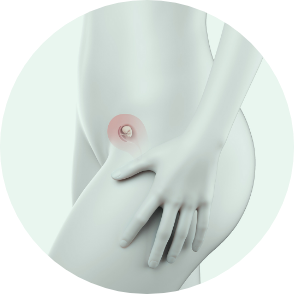
When it comes to pregnancy symptoms, you may feel like you've already reached your limit at 9 weeks pregnant: Your clothes are getting tighter around the waist, you're busting out on top, and you're still running to the bathroom 100 times a day — and if it isn't because you're sick, it's to pee.But wait, there's more. You're having trouble lifting your head off the pillow, you're dragging your feet all day, and you can't wait to crawl into bed as soon as you arrive home at night.Sound familiar? Extreme pregnancy fatigue is a common symptom, especially in the first trimester. And for good reason: Making a baby is hard work. Your body is working overtime preparing for motherhood as it develops the placenta, your baby's lifeline.What's more, your body's metabolism and hormone levels have increased significantly, which triggers a decrease in blood sugar and blood pressure — a recipe for fatigue.The good news: Relief is around the corner as your energy level increases and morning sickness decreases over the next few weeks, once placenta construction is completed in the second trimester.The not-so-good news: Tiredness is likely to reappear during the third trimester as the demands of toting around a larger fetus increase. But since staying active is important for your health.The Happy Mom app is with you every step of the way on your pregnancy journey.Thank you for reading.
Read Advice
Mutlu Anne
Pregnancy Tracker
Your trusted companion throughout your pregnancy journey. Get personalized support from conception to birth.
Quick Links
Stay Updated
Subscribe to get pregnancy tips and app updates delivered to your inbox.
Secure
Trusted
4.9 Rating
© 2026 Mutlu Anne. All rights reserved.
Made with
for moms